The automotive and motorcycle industry is undergoing a significant transformation towards more sustainable and flexible fuel options. One of the most exciting developments in this space is the rise of flex fuel motorcycles. These innovative machines are designed to run on a variety of fuel blends, from standard gasoline to high-ethanol blends like E85. While flex fuel motorcycles offer numerous benefits, including reduced emissions and potential performance gains, they also require a specific approach to maintenance to ensure they run smoothly and reliably for years to come.
In this comprehensive guide, we will delve deep into the world of flex fuel motorcycle maintenance. We will explore what makes these bikes different, how ethanol impacts the engine and fuel system, and provide you with actionable tips and a detailed maintenance schedule to keep your ride in top condition. Whether you are a seasoned mechanic or a new owner, this article will equip you with the knowledge you need to master flex fuel motorcycle care.
Understanding Flex Fuel and Ethanol Blends
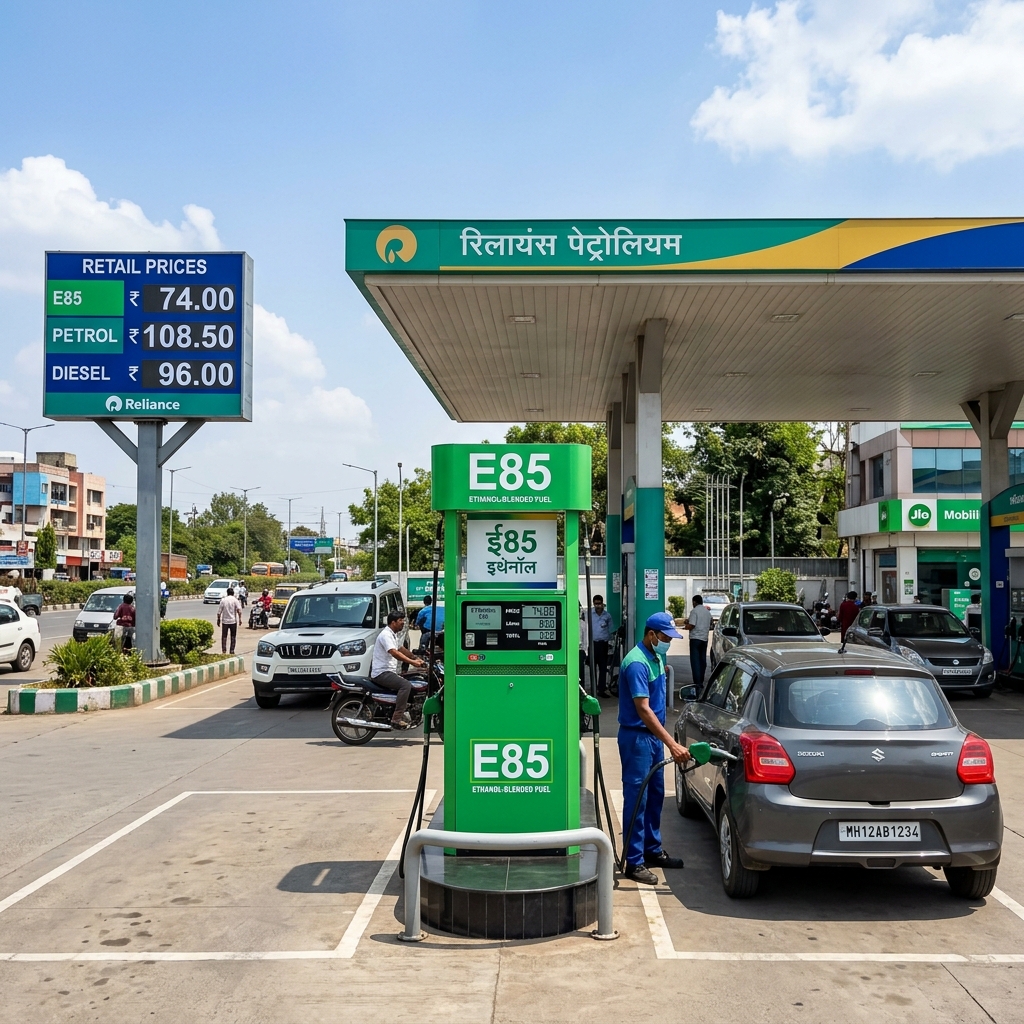
Before we dive into the specific maintenance tips, it's crucial to understand what flex fuel is and how it differs from traditional gasoline. Flex fuel vehicles (FFVs) are designed to run on more than one fuel, usually a blend of ethanol and gasoline. The most common flex fuel is E85, which is a blend containing up to 85% ethanol and 15% gasoline. However, flex fuel motorcycles can seamlessly switch between various blends, such as E10 (10% ethanol), E20, and pure gasoline, depending on availability and preference.
The Properties of Ethanol
Ethanol is a renewable, plant-based fuel, typically derived from corn, sugarcane, or other biomass. It has several distinct properties that impact engine operation and maintenance:
1. Higher Octane Rating: Ethanol has a higher octane rating than standard gasoline, which means it can withstand higher compression before detonating. This property allows engines designed for ethanol to achieve higher power output and efficiency. 2. Hygroscopic Nature: This is perhaps the most critical characteristic for maintenance. Ethanol is hygroscopic, meaning it absorbs water from the air. If a high-ethanol blend sits in a fuel tank for an extended period, it can draw in moisture, leading to phase separation, where the water and ethanol separate from the gasoline and sink to the bottom of the tank. 3. Corrosive Potential: Ethanol can be corrosive to certain types of plastics, rubbers, and metals, particularly older materials not designed to handle it. Modern flex fuel motorcycles are built with materials specifically chosen to withstand ethanol, but vigilance is still required. 4. Lower Energy Density: Ethanol contains less energy per gallon than gasoline. Therefore, an engine must burn more ethanol to achieve the same power output, which is why fuel economy often decreases when running on high-ethanol blends. 5. Cleansing Effect: Ethanol is an excellent solvent. It can clean out deposits and gunk that may have accumulated in the fuel system from running on gasoline. While this sounds positive, it can also dislodge debris that may clog fuel filters if the transition to ethanol is abrupt in an older, dirty system.
Understanding these properties is the foundation of proper flex fuel motorcycle maintenance.
The Flex Fuel Motorcycle Maintenance Schedule
Maintaining a flex fuel motorcycle involves adhering to a strict schedule that addresses the unique challenges posed by ethanol. While you should always consult your owner's manual for manufacturer-specific recommendations, the following schedule outlines the generally accepted best practices.
Daily / Pre-Ride Checks
- Visual Inspection: Check for any signs of fuel leaks around the tank, fuel lines, and injectors. - Tire Pressure: Ensure tires are properly inflated for optimal handling and fuel efficiency. - Fluid Levels: Verify engine oil and coolant levels are within the recommended range.Monthly / Every 500 Miles
- Drive Chain: Clean, lubricate, and adjust the drive chain. Ethanol use doesn't directly affect the chain, but regular maintenance is crucial for overall performance. - Battery Check: Ensure terminals are clean and tight.Every 3,000 to 5,000 Miles (or Every 6 Months)
- Oil Change: This is critical for flex fuel bikes (more on this below). - Oil Filter Replacement: Always change the filter with the oil. - Air Filter Inspection: Check and clean or replace the air filter depending on riding conditions.Every 10,000 Miles (or Annually)
- Fuel Filter Replacement: Highly recommended for flex fuel motorcycles to prevent clogs from ethanol-loosened debris. - Spark Plug Inspection/Replacement: Check for proper gap and signs of wear. - Coolant Flush: Replace engine coolant to prevent corrosion. - Brake Fluid Replacement: Replace brake fluid to ensure optimal stopping power. - Valve Clearance Check: Essential for high-performance engines often associated with flex fuel use.Now, let's explore these maintenance areas in greater detail.
1. Engine Oil: The Lifeblood of Your Flex Fuel Engine
When running high-ethanol blends like E85, paying close attention to your engine oil is paramount. The properties of ethanol can affect oil degradation differently than standard gasoline.
The Impact of Blow-by
In internal combustion engines, a small amount of combustion gases inevitably sneaks past the piston rings and into the crankcase. This is known as "blow-by." When using ethanol, the blow-by contains ethanol vapors and moisture.Because ethanol is hygroscopic, it can introduce more water into the crankcase than gasoline. This water can mix with the engine oil, degrading its lubricating properties and potentially forming a milky sludge if left unchecked. Furthermore, unburnt ethanol can dilute the oil, reducing its viscosity and leading to increased engine wear.
Oil Change Intervals
Due to the potential for increased moisture and fuel dilution, it is generally recommended to shorten your oil change intervals if you frequently run E85 or high-ethanol blends. If your manual recommends an oil change every 5,000 miles for gasoline, consider reducing that to 3,000 or 4,000 miles when running predominantly on ethanol.Choosing the Right Oil
Always use a high-quality, fully synthetic engine oil that meets the specifications outlined in your owner's manual. Synthetic oils offer superior resistance to breakdown and handle temperature extremes better than conventional oils. Some oil manufacturers formulate specific "E85-compatible" or "flex fuel" engine oils with robust additive packages designed to combat the unique challenges of ethanol, such as increased acid formation and moisture.Pro Tip: Regularly check your oil level and its appearance through the sight glass or with the dipstick. If the oil looks milky or smells strongly of fuel, it's time for an immediate change, regardless of the mileage.
2. Fuel System Care: Preventing Corrosion and Clogs
The fuel system is the frontline when it comes to dealing with ethanol. While modern flex fuel motorcycles are built with robust components—such as specialized fuel pumps, Teflon-lined hoses, and stainless steel fittings—proactive maintenance is still necessary.
The Importance of the Fuel Filter
As mentioned earlier, ethanol is an excellent solvent. If you switch a motorcycle that has been running on standard gasoline for a long time over to E85, the ethanol will likely clean out varnish and deposits from the tank and fuel lines. These dislodged particles will head straight for the fuel filter.Therefore, you must replace your fuel filter more frequently, especially during the first few thousand miles after transitioning to heavy ethanol use. A clogged fuel filter will restrict fuel flow, leading to poor performance, lean running conditions (which can damage the engine), and excessive strain on the fuel pump.
Fuel Injector Maintenance
Fuel injectors are precision components that deliver fuel in a fine mist. While ethanol itself burns cleanly, the variations in fuel quality and the potential for moisture absorption mean injectors need attention. Consider using a high-quality, ethanol-compatible fuel injector cleaner periodically to ensure optimal spray patterns. If you experience rough idling or hesitation, professional injector cleaning or flow testing might be required.Dealing with Phase Separation
Phase separation is the nightmare scenario for ethanol users. It occurs when the ethanol-gasoline blend absorbs too much water. The water/ethanol mixture becomes heavier than the gasoline and drops to the bottom of the tank, exactly where the fuel pump pickup is located.If your engine ingests this water/ethanol mixture, it will run extremely poorly or fail to start altogether. To prevent phase separation: 1. Buy Fuel from Reputable Stations: High-volume stations are less likely to have stale, water-contaminated fuel in their underground tanks. 2. Keep the Tank Full: A full tank leaves less room for moist air to enter and condense inside the tank. 3. Avoid Long-Term Storage with E85: If you are not going to ride the motorcycle for a few weeks or more, do not leave high-ethanol blends in the tank (see the winterization section for more details).
3. Spark Plugs and Ignition System Optimization
Flex fuel engines often take advantage of ethanol's high octane rating by advancing ignition timing and sometimes increasing compression. This places higher demands on the ignition system, particularly the spark plugs.
Spark Plug Selection
Running E85 can alter the optimal heat range for your spark plugs. Because ethanol has a cooling effect on the combustion chamber (due to its high latent heat of vaporization), some tuners recommend using a spark plug that is one step "colder" than the stock recommendation if you are running E85 exclusively and have tuned the engine for performance. However, for most factory flex fuel setups, sticking with the manufacturer's recommended iridium or platinum plugs is the safest bet.Inspection and Replacement
Inspect your spark plugs regularly. You are looking for: - Proper Gap: Ensure the gap matches specifications to provide a strong spark. - Color and Condition: A healthy plug running on E85 will often look very clean, sometimes almost white, compared to the light tan color expected with gasoline. However, watch out for signs of melting, blistering, or excessive wear on the electrodes, which indicate detonation or an overly lean condition.Replace spark plugs according to the maintenance schedule, or sooner if you notice degradation in performance, misfires, or difficulty starting.
4. Tuning and the Engine Control Unit (ECU)
The brain of a flex fuel motorcycle is its Engine Control Unit (ECU). The ECU relies on sensors, primarily a flex fuel sensor (ethanol content analyzer) and oxygen (O2) sensors, to determine the exact blend of fuel in the lines and adjust the fuel injection pulse width and ignition timing accordingly.
Sensor Maintenance
The flex fuel sensor is typically a robust piece of hardware, but it must be functioning correctly for the motorcycle to run safely. If this sensor fails or provides inaccurate readings, the ECU may inject the wrong amount of fuel. For example, if the sensor reads E10 but you have E85 in the tank, the engine will run dangerously lean.While there isn't much "maintenance" to perform on the sensor itself, you should be vigilant for check engine lights or error codes related to the fuel system. If you suspect an issue, have a professional scan the ECU to verify sensor operation.
Firmware Updates
Manufacturers occasionally release updates for the ECU firmware to improve drivability, cold starting, or fuel efficiency. Check with your local dealer periodically to see if any software updates are available for your specific motorcycle model.5. Cold Weather Operations and Winterization
Ethanol has a lower vapor pressure than gasoline, which means it doesn't vaporize as easily in cold temperatures. This can lead to difficult cold starts when using high-ethanol blends in the winter.
Cold Starting Tips
If you live in a cold climate and run E85, you might experience extended cranking times on frosty mornings. To mitigate this: - Ensure a Strong Battery: Cold weather reduces battery capacity, and the extra cranking time requires a healthy battery. Keep your battery on a tender when not in use. - Consider Fuel Blending: Many "E85" pumps actually dispense a lower ethanol blend (like E70) during the winter months specifically to aid cold starting. If you struggle to start your bike, consider adding a few gallons of premium gasoline to lower the ethanol concentration temporarily.Long-Term Storage (Winterization)
Improper storage is the leading cause of fuel system issues in flex fuel motorcycles. Never store a motorcycle for an extended period (more than 3-4 weeks) with high-ethanol fuel in the tank.The hygroscopic nature of ethanol means it will pull moisture from the air during storage, leading to phase separation and severe corrosion within the fuel system.
The Proper Winterization Procedure: 1. Run the Tank Low: Ride the motorcycle until the tank is nearly empty of the high-ethanol blend. 2. Fill with Ethanol-Free Fuel: Fill the tank completely with ethanol-free gasoline (often sold as premium or recreational fuel) or, at the very least, standard E10 gasoline. A full tank prevents condensation. 3. Add a Fuel Stabilizer: Add a high-quality fuel stabilizer designed for the fuel you just put in. 4. Run the Engine: Run the motorcycle for 10-15 minutes to ensure the stabilized, low-ethanol fuel circulates completely through the fuel lines and injectors, displacing the old E85. 5. Battery Maintenance: Remove the battery or connect it to a smart trickle charger. 6. Oil Change: It is best practice to store the engine with clean oil to prevent acidic contaminants from eating away at engine internals over the winter.
6. Upgrades and Modifications
Many riders choose flex fuel motorcycles specifically for the performance potential that E85 offers. If you plan to modify your motorcycle, keep the following in mind:
- Fuel Pump Capacity: E85 requires roughly 30% more fuel volume to achieve the same power as gasoline. If you are adding performance mods (exhaust, intake, aggressive tuning), ensure your factory fuel pump can handle the increased flow requirements. An upgraded fuel pump might be necessary. - Injector Sizing: Similarly, your fuel injectors must be large enough to deliver the required volume of E85 at wide-open throttle without reaching 100% duty cycle (where they remain constantly open). - Professional Tuning: Never install significant performance modifications without having the motorcycle professionally tuned on a dynamometer. The tuner must ensure the fuel maps and ignition timing are correct for both standard gasoline and E85 across all RPM ranges.
7. Troubleshooting Common Flex Fuel Issues
Even with meticulous maintenance, you may occasionally encounter issues. Here are a few common problems and their potential solutions:
- Hard Starting (Especially when cold): As discussed, this is common with high ethanol blends. Check your battery health, ensure your spark plugs are in good condition, and consider blending in more gasoline during cold snaps. - Rough Idle or Hesitation: This often points to a fuel delivery issue. Check the fuel filter for clogs. If the filter is clean, you may have dirty fuel injectors or a failing fuel pump. It could also indicate stale fuel that has absorbed moisture. - Check Engine Light (CEL): A CEL can indicate numerous issues, but on a flex fuel bike, it often relates to O2 sensor readings (running too rich or too lean) or a fault with the flex fuel sensor itself. Do not ignore a CEL; have the codes read immediately. - Decreased Fuel Economy: This is normal when running E85 due to its lower energy density. However, if your fuel economy drops drastically and suddenly, it could indicate a stuck open fuel injector, a failed O2 sensor, or a clogged air filter.
The Future of Flex Fuel Motorcycling
The development of flex fuel motorcycles represents a significant step towards bridging the gap between traditional combustion engines and future alternative power sources. By utilizing renewable ethanol, riders can reduce their carbon footprint while potentially unlocking greater engine performance.
However, the key to enjoying a flex fuel motorcycle for the long haul lies in understanding its unique requirements. By respecting the properties of ethanol and adhering to a proactive maintenance schedule—focusing particularly on oil quality, fuel filtration, and proper storage techniques—you can ensure your motorcycle delivers reliable, high-octane thrills for years to come.
Conclusion
Maintaining a flex fuel motorcycle is not inherently more difficult than maintaining a standard gasoline bike, but it does require a different mindset. The transition to ethanol-blended fuels introduces new variables, primarily concerning moisture absorption, fuel system cleanliness, and oil degradation.
By following the tips outlined in this comprehensive guide, you are equipping yourself to handle these variables effectively. Remember the golden rules: shorten your oil change intervals when running heavy ethanol, keep a close eye on your fuel filters, and never store your motorcycle long-term with E85 in the tank. With diligence and the right approach to maintenance, your flex fuel motorcycle will reward you with clean, powerful, and reliable performance on every ride.