The shift towards alternative and more affordable fuels has led many car enthusiasts and daily commuters alike to consider E85 conversion kits. By upgrading a standard gasoline vehicle to run on E85 (a blend of 85% ethanol and 15% gasoline), drivers can often experience a boost in horsepower, lower emissions, and potentially cheaper fuel costs at the pump. However, as with any aftermarket vehicle modification, a crucial question arises: Will insurance cover E85 conversion kits?
In this comprehensive guide, we will explore everything you need to know about how auto insurance companies view E85 conversion kits. We’ll discuss whether the kits themselves are covered, how conversions impact your premiums, what happens in the event of an accident or engine failure, and the steps you must take to ensure you remain fully protected under your auto insurance policy.
---
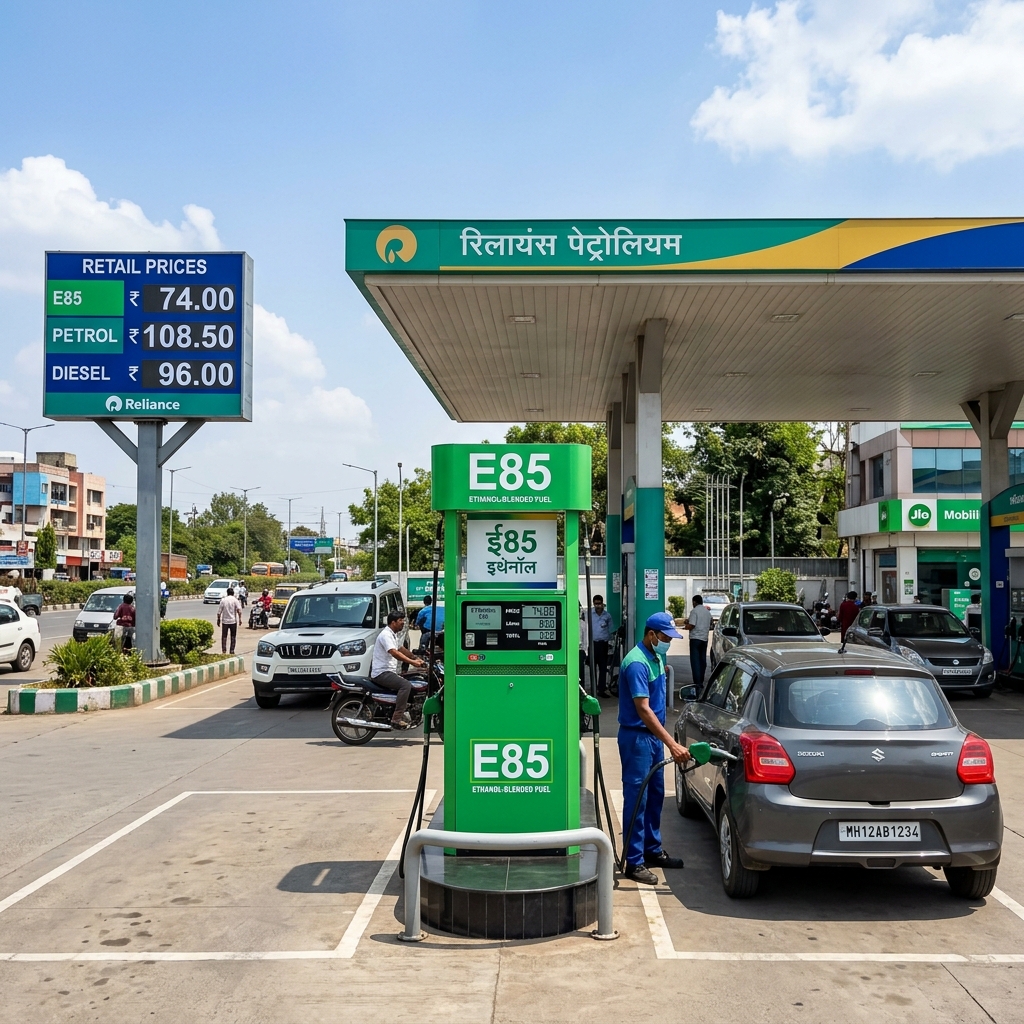
Understanding E85 and Conversion Kits
Before delving into the insurance implications, it is essential to understand what E85 is and what a conversion kit entails, as this directly affects how an insurance adjuster will view your vehicle.
What is E85?
E85 is an alternative fuel consisting of a high-level blend of ethanol (up to 85%) and gasoline. Ethanol is a renewable biofuel typically made from plant materials such as corn or sugarcane. Because ethanol has a higher octane rating than standard gasoline, it can allow engines to run at higher compression ratios and more advanced ignition timing, which translates to more power. Furthermore, E85 burns cleaner, reducing greenhouse gas emissions.
What is an E85 Conversion Kit?
Most modern gasoline cars are not designed from the factory to run on E85. Vehicles that can switch seamlessly between standard gasoline and E85 are known as Flex-Fuel Vehicles (FFVs). If you do not own an FFV, you must install an E85 conversion kit.
An E85 conversion kit typically includes: - A flex-fuel sensor to determine the ethanol content in the fuel lines. - A piggyback ECU or a software tune to adjust fuel injection timing and volume. - Upgraded fuel injectors (since E85 requires a higher volume of fuel to achieve the same energy output). - Upgraded fuel pumps and lines, as ethanol can be corrosive to standard rubber and plastic components found in older vehicles.
Installing this kit constitutes a significant aftermarket modification to your vehicle's engine and fuel system. Auto insurance companies have strict, varying rules regarding aftermarket modifications, which brings us to the core issue.
---
How Auto Insurance Views Vehicle Modifications
To understand whether your insurance will cover an E85 conversion kit, you must first understand how insurance companies view vehicle modifications in general.
An auto insurance policy is underwritten based on the factory specifications of a vehicle. The insurance company calculates your premium and risk based on crash test ratings, repair costs, and historical data for your specific make and model as it rolled off the assembly line.
When you alter the vehicle with aftermarket parts (such as a turbocharger, a suspension lift, or an E85 conversion kit), you change the vehicle's risk profile in the eyes of the insurer in two primary ways:
1. Value of the Vehicle: Aftermarket parts increase the total value of the vehicle. If the car is totaled, the insurer does not want to pay for a $2,000 E85 kit they didn't know existed. 2. Performance Risk: E85 kits can increase the horsepower of the vehicle. Insurance companies associate higher performance with a higher likelihood of accidents and speeding tickets. 3. Mechanical Risk: Modifying the fuel system introduces a risk of engine fire or mechanical failure if installed incorrectly.
Because of these factors, insurance companies require policyholders to disclose significant modifications. Failure to do so can result in denied claims or policy cancellation.
---
Will Insurance Cover the E85 Kit Itself?
If you are involved in an accident, or if your vehicle is stolen or damaged by fire, will your insurance reimburse you for the cost of the E85 conversion kit?
The short answer is: Usually no, unless you have specifically added custom parts and equipment coverage to your policy.
Standard Auto Insurance Policies
A standard collision and comprehensive auto insurance policy covers the vehicle up to its Actual Cash Value (ACV) based on its factory condition. If your car is totaled, the insurance adjuster will calculate the value of the stock vehicle. They will not compensate you for the E85 kit, the upgraded injectors, or the labor required to install them.
Custom Parts and Equipment (CPE) Coverage
To get coverage for the E85 kit itself, you need an endorsement or rider on your policy known as Custom Parts and Equipment (CPE) coverage, sometimes called Accessory Coverage.
CPE coverage allows you to insure aftermarket modifications up to a certain limit (e.g., $5,000). To secure this coverage, you must: 1. Notify your insurance agent about the E85 conversion. 2. Provide receipts detailing the cost of the kit, additional parts (like fuel pumps), and professional installation labor. 3. Pay a slightly higher monthly premium to account for the increased value of the vehicle.
If you have CPE coverage and your car is totaled, the insurance company will reimburse you for the depreciated value of both the car and the E85 kit.
---
Does an E85 Kit Affect Your Liability Coverage?
Liability insurance covers bodily injury and property damage that you cause to others in an accident. Generally, installing an E85 conversion kit will not void your liability coverage provided the modification is legal in your state and you have disclosed it to your insurer.
However, there is a massive caveat: Material Misrepresentation.
When you apply for or renew an insurance policy, you enter into a contract of utmost good faith. If your insurance company explicitly asks if your vehicle has been modified to increase performance, and you say "no" despite having an E85 kit and an aggressive tune, you have committed material misrepresentation.
If you cause a severe accident and the insurance company's investigation reveals the undisclosed performance modifications, they may have legal grounds to deny the claim, cancel your policy retroactively, and leave you personally liable for hundreds of thousands of dollars in damages.
Always disclose engine and fuel system modifications to your insurance provider.
---
What Happens if the E85 Kit Causes Damage to the Car?
One of the biggest concerns with aftermarket E85 kits is mechanical failure. Ethanol is corrosive and hydroscopic (it attracts water). If you run E85 in a vehicle that hasn't had its fuel lines, seals, and pump appropriately upgraded, the ethanol can eat away at the rubber components, leading to fuel leaks. Furthermore, if the engine is not tuned correctly for E85, it can run lean, leading to catastrophic engine failure.
Will insurance cover engine damage caused by the E85 kit?
Absolutely not.
Auto insurance is designed to cover sudden, accidental damage (like crashing into a tree, getting rear-ended, or a tree branch falling on the hood). It is not a warranty. Auto insurance does not cover mechanical breakdown, wear and tear, or damage caused by faulty aftermarket parts or poor installation.
If your E85 conversion kit causes a fuel leak that destroys your engine, your auto insurance will deny the claim. You will be paying for a new engine out of pocket.
What if the Kit Causes a Fire?
This is a gray area and depends heavily on the wording of your specific policy and the laws in your state. If a poorly installed E85 fuel line bursts, sprays ethanol on a hot exhaust manifold, and burns the car to the ground, this becomes a Comprehensive insurance claim (fire damage).
- If the kit was disclosed and covered under CPE: The insurance company will likely cover the fire damage, as fire is a covered peril. - If the kit was NOT disclosed: The insurance company will dispatch a fire investigator. Once they determine the fire started at an undisclosed, aftermarket fuel modification, they will very likely deny the claim on the grounds of undisclosed increased hazard and material misrepresentation.
---
Will an E85 Kit Void Your Vehicle Warranty?
While a vehicle warranty is separate from auto insurance, the two are closely linked when determining who pays for repairs.
Under the Magnuson-Moss Warranty Act in the United States, a dealership or manufacturer cannot void your entire* vehicle warranty simply because you installed an aftermarket part. However, they *can void the warranty on specific parts if they can prove the aftermarket modification caused the failure.
If you install an E85 kit and your radio stops working, the dealership must replace the radio under warranty because the E85 kit has nothing to do with the radio.
However, if you install an E85 kit and your fuel injectors fail, your high-pressure fuel pump dies, or you crack a piston due to detonation, the dealership will almost certainly deny your warranty claim. They will correctly point out that the vehicle was designed for standard gasoline, and the introduction of E85 and aftermarket engine tuning caused the failure.
Because your auto insurance won't cover mechanical breakdown, and your dealership warranty is voided for engine/fuel components, you assume 100% of the financial risk for the powertrain when you install an E85 kit on a newer car.
---
Step-by-Step Guide: How to Handle Insurance When Installing an E85 Kit
If you have decided that the performance and environmental benefits of E85 are worth it, follow these steps to ensure you remain fully insured.
Step 1: Check Local Emissions and Legality
Before buying a kit, ensure it is legal in your state. For example, in California, the California Air Resources Board (CARB) has incredibly strict rules regarding engine and fuel system modifications. If you install an E85 kit that is not CARB-approved, your vehicle becomes street illegal. Insurance companies will generally not insure (or will deny claims for) vehicles operating illegally on public roads.Step 2: Call Your Insurance Agent First
Do not buy the kit until you have spoken to your insurance provider. Call your agent and say, "I am considering installing an aftermarket flex-fuel E85 conversion kit on my vehicle. How will this impact my policy?" Some major, conservative insurers absolutely refuse to insure modified vehicles. If your current provider says they will drop your coverage, you need to know before you modify the car.Step 3: Shop for a Mod-Friendly Insurer
If your current insurer refuses to cover the E85 kit, you will need to shop around. Look for insurance companies that specialize in customized, classic, or modified vehicles (such as Hagerty, Grundy, or specific modified-car policies from major carriers).Step 4: Purchase Custom Parts Coverage
Once you find an insurer willing to cover the vehicle, explicitly add Custom Parts and Equipment (CPE) coverage. State the exact value of the E85 kit and the supporting mods (fuel pump, injectors, tune).Step 5: Keep Impeccable Records
Save every receipt. Keep the receipt for the E85 kit, the fuel pump, the injectors, and the invoice from the mechanic who installed and tuned the vehicle. Take detailed photographs of the engine bay after the installation. If the car is ever stolen or totaled, you will need to present these receipts to the adjuster to prove the value of the modifications.Step 6: Use Professional Installers
While many E85 kits are advertised as "plug and play," manipulating a vehicle's fuel system is dangerous. A minor leak can result in a catastrophic fire. Have the kit installed by a licensed, certified mechanic. If there is a fire caused by faulty installation, you or your insurance company may have legal recourse against the mechanic's liability insurance. If you install it yourself and it burns down, you are entirely on your own.---
Frequently Asked Questions (FAQs)
Will my insurance premium go up if I install an E85 kit?
Yes, it is very likely. Installing an E85 kit requires adding Custom Parts and Equipment coverage, which increases your premium. Additionally, because E85 kits are often used to increase engine horsepower, the insurer may reclassify your vehicle into a higher risk bracket, leading to higher rates.Do I have to tell my insurance company about a plug-and-play E85 module?
Yes. Even if the module just plugs into your existing OBD2 port or fuel injector harness without cutting wires, it is still altering the factory operation of the fuel system and engine computer. It is a material modification that must be disclosed to avoid the risk of denied claims.What if I bought the car used and it already had an E85 kit installed?
You are still responsible for disclosing the modification to your insurance company. If you buy a modified car, you must inform the insurer so they can underwrite the policy accurately. If you claim ignorance after an accident, the insurance company may still deny the claim, arguing that the vehicle they insured was stock and the one that crashed was modified.Does E85 make cars safer or more dangerous?
From an insurance perspective, E85 conversions are generally viewed as making a car riskier. This is not necessarily because E85 itself is dangerous, but because E85 conversions are heavily associated with the car tuning scene, aggressive driving, street racing, and increased horsepower—all of which lead to higher crash rates statistically. Furthermore, the risk of improper installation causing fuel leaks elevates the fire hazard.Will Hagerty or Grundy insure my E85 converted daily driver?
Specialty insurers like Hagerty and Grundy are excellent for modified vehicles, but they usually have strict usage restrictions. They typically require the vehicle to be a secondary "pleasure" car, kept in a locked garage, with strict annual mileage limits (e.g., under 3,000 miles a year). They will not insure an E85 converted vehicle if you use it to commute to work every day.---
The Future of E85, EVs, and Insurance
The automotive landscape is rapidly changing. As governments worldwide push for lower emissions, the focus has largely shifted toward Electric Vehicles (EVs) rather than biofuels like E85.
Consequently, the aftermarket E85 tuning scene is becoming somewhat of a niche market reserved strictly for performance enthusiasts rather than the average consumer looking to save money at the pump. Because it is becoming a niche performance market, mainstream auto insurance companies are becoming even more wary of insuring E85-converted vehicles. Mainstream insurers prefer standard, factory-spec vehicles with predictable risk profiles.
If you are determined to run E85 for the performance benefits, you must accept that navigating the insurance landscape will be more difficult than it is for a stock vehicle.
---
Conclusion
So, will insurance cover E85 conversion kits?
The insurance company will only cover the financial value of the E85 kit if you disclose the modification and purchase Custom Parts and Equipment coverage.
Furthermore, installing an E85 kit introduces significant risks regarding warranty voidance, mechanical breakdown, and potential claim denial if you fail to inform your insurer.
If you decide to proceed with an E85 conversion, transparency is your best policy. Call your insurance agent, explain exactly what you are doing, pay the adjusted premium, and have the kit installed by a seasoned professional. By doing things strictly by the book, you can enjoy the extra horsepower and sweet smell of E85 without the anxiety of driving an uninsured vehicle.
--- Disclaimer: Insurance policies, regulations, and laws vary significantly by state and country, as well as by the individual insurance carrier. The information provided in this article is for general informational purposes only and does not constitute legal or financial advice. Always consult with your licensed insurance agent and review your specific policy documents before modifying your vehicle.