The automotive landscape is rapidly evolving, with alternative fuels gaining significant traction among enthusiasts and environmentally conscious drivers alike. Among these, Flex Fuel, particularly E85 (a blend of 85% ethanol and 15% gasoline), has emerged as a popular choice due to its high octane rating, potential for increased performance, and cleaner emissions profile. However, for owners of Hyundai and Kia vehicles, the decision to switch to or utilize flex fuel often comes with a critical question: How does using flex fuel or installing an aftermarket flex fuel kit affect my warranty?
Understanding the nuances of Hyundai and Kia's warranty policies regarding flex fuel is paramount to avoiding costly repairs and ensuring your vehicle remains protected. This comprehensive 2500-word guide delves deep into everything you need to know about Hyundai and Kia flex fuel warranty coverage, from factory compatibility to the implications of aftermarket modifications, and strategies to maintain your warranty intact.
---
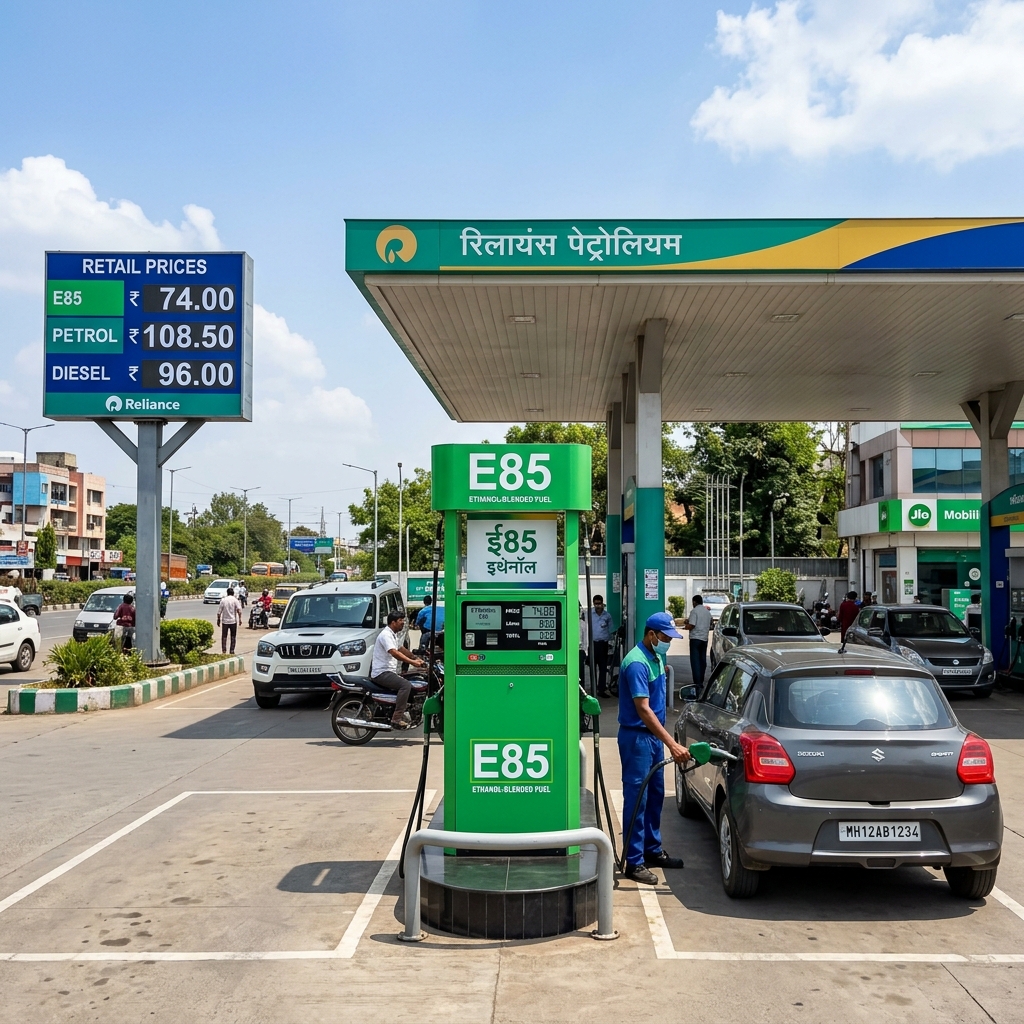
1. Understanding Flex Fuel and E85
Before diving into the specifics of warranty coverage, it's essential to understand what flex fuel and E85 are and why they are so appealing.
What is Flex Fuel?
A Flexible Fuel Vehicle (FFV) is designed to run on more than one type of fuel, typically gasoline blended with either ethanol or methanol fuel, and both fuels are stored in the same common tank. Modern flex-fuel engines are capable of burning any proportion of the resulting blend in the combustion chamber as fuel injection and spark timing are adjusted automatically according to the actual blend detected by a fuel composition sensor.The Appeal of E85
E85 is the most common flex fuel, consisting of up to 85% ethanol and 15% gasoline. The primary benefits of E85 include: - Higher Octane Rating: E85 typically boasts an octane rating of 100 to 105, which is significantly higher than premium pump gas. This allows for more aggressive tuning, higher compression ratios, and ultimately, more horsepower and torque. - Cooling Properties: Ethanol has a high latent heat of vaporization, meaning it absorbs more heat as it evaporates, cooling the intake charge and combustion chamber. This reduces the risk of engine knock (detonation). - Environmental Benefits: E85 burns cleaner than straight gasoline, producing fewer greenhouse gas emissions. - Cost: Depending on the region, E85 can be cheaper per gallon than premium gasoline, although this is offset by lower fuel economy since ethanol contains less energy per volume than gasoline.---
2. Hyundai and Kia: Current Stance on Flex Fuel
Hyundai and Kia, being sister companies under the Hyundai Motor Group umbrella, share many powertrains, platforms, and overarching corporate policies. When it comes to alternative fuels, both brands have heavily invested in electric vehicles (EVs), hybrids (HEVs), and hydrogen fuel cell technology. However, their stance on flex fuel, particularly E85 in standard internal combustion engine (ICE) vehicles, is relatively conservative.
Factory Compatibility
As of the current model years, the vast majority of standard Hyundai and Kia vehicles sold globally (including popular models like the Hyundai Elantra, Sonata, Tucson, Kia Forte, Optima/K5, and Sportage) are not engineered or marketed as Flexible Fuel Vehicles (FFVs).These vehicles are typically designed to run on standard unleaded gasoline with an ethanol content of up to 10% (E10) or, in some newer models and specific markets, up to 15% (E15). Using a fuel with an ethanol content higher than what is specified in the owner's manual (such as E85) without proper factory configuration or aftermarket modification can lead to severe engine damage.
Why the Hesitation?
Ethanol is highly corrosive and hydroscopic (it absorbs water). Vehicles not explicitly designed for high ethanol blends lack the specialized components needed to handle these properties, such as: - Corrosion-resistant fuel lines, tanks, and fittings. - Upgraded fuel injectors and fuel pumps capable of flowing the higher volume of fuel required by ethanol. - Flex-fuel sensors to detect the ethanol content and adjust the Engine Control Unit (ECU) parameters accordingly.---
3. The Standard Warranty Overview
To understand how flex fuel affects your warranty, you must first understand the baseline warranty provided by these manufacturers. Hyundai and Kia are renowned in the automotive industry for offering some of the most generous warranty packages available, famously known as "America's Best Warranty" in the US market, with similar robust offerings globally, including India.
Hyundai Warranty Highlights
- Powertrain Limited Warranty: Typically 10 years / 100,000 miles (or market equivalent). Covers engine, transmission, and transaxle. - New Vehicle Limited Warranty: Typically 5 years / 60,000 miles. Covers most vehicle components from bumper to bumper. - Anti-Perforation Warranty: Protects against rust-through. - Roadside Assistance: Standard for several years.Kia Warranty Highlights
Kia's warranty is nearly identical to Hyundai's, reflecting their shared corporate structure: - Powertrain Limited Warranty: Typically 10 years / 100,000 miles. - Basic Limited Warranty: Typically 5 years / 60,000 miles. - Anti-Perforation and Roadside Assistance.Note: Warranty terms can vary significantly by country (e.g., USA vs. India vs. Europe). Always consult the specific warranty manual provided with your vehicle.
---
4. How E85 Affects Your Factory Warranty
The core issue regarding flex fuel and warranty coverage hinges on how the fuel interacts with the vehicle and whether the manufacturer explicitly permits its use.
The Short Answer
If your Hyundai or Kia is not* a designated Flex Fuel Vehicle (FFV) from the factory, and you put E85 in the tank, *any damage caused by that fuel will NOT be covered by the warranty.The Long Answer
Manufacturers write their warranties with specific operational parameters in mind. The owner's manual explicitly states the type of fuel required for the vehicle. For a standard Hyundai or Kia, this usually specifies unleaded gasoline with no more than 10% or 15% ethanol.If you use E85 in a non-FFV Hyundai or Kia, several things can happen that will void specific warranty claims: 1. Corrosion Damage: The corrosive nature of high-ethanol fuel can degrade rubber seals, plastic components, and metal lines in the fuel system. If a fuel line leaks or a pump fails due to ethanol corrosion, the dealership will deny the warranty claim, citing the use of improper fuel. 2. Engine Lean-Out: Because ethanol has less energy density than gasoline, an engine needs to inject roughly 30% more fuel when running on E85. A standard ECU cannot compensate for this extreme difference without a flex-fuel sensor and a tune. The engine will run dangerously lean, leading to elevated combustion temperatures, pre-ignition, melted pistons, and catastrophic engine failure. This is unequivocally not covered by warranty. 3. Check Engine Lights (CEL): The ECU will detect abnormal oxygen sensor readings and fuel trims, triggering a CEL. Diagnosing and clearing codes caused by improper fuel usage is typically a billable service, not a warranty repair.
Crucial Distinction: Using E85 does not automatically "void your entire warranty." If you put E85 in your Kia Stinger and the engine blows up, the engine replacement is not covered. However, if the infotainment screen stops working or a window motor fails, those issues are unrelated to the fuel and should still be covered under the New Vehicle Limited Warranty.
---
5. Aftermarket Flex Fuel Kits: Risks and Rewards
For automotive enthusiasts looking to extract maximum performance from vehicles like the Hyundai Veloster N, Elantra N, or Kia Stinger, aftermarket flex fuel kits are incredibly popular. These kits allow a standard gasoline engine to safely run on E85.
What Does an Aftermarket Kit Entail?
A comprehensive aftermarket flex fuel kit typically includes: - Flex Fuel Sensor: Installed in the fuel line to measure the exact ethanol content in real-time. - Wiring Harness: To connect the sensor to the vehicle's ECU or a piggyback controller. - Upgraded Fuel Injectors and Pump: To handle the increased fuel volume required by E85. - Custom ECU Tune: The most critical component. A tuner modifies the engine management software to adjust ignition timing, fuel delivery, and boost pressure dynamically based on the ethanol content reading from the sensor.The Warranty Implications of Aftermarket Kits
Installing an aftermarket flex fuel kit introduces a complex dynamic with your Hyundai or Kia warranty.
1. The ECU Tune: This is the biggest red flag for a dealership. Modifying the factory ECU software (flashing or tuning) leaves a digital footprint. When a vehicle is brought in for engine or transmission warranty work, the first thing a technician will often do is check the ECU for non-factory software. - If they detect a tune, they will likely deny any powertrain warranty claims, arguing that the increased power and altered parameters caused the failure. - Some piggyback tuners claim to be "undetectable" once removed, but modern diagnostic tools are increasingly sophisticated, and relying on hiding modifications is a risky strategy.
2. Non-Factory Parts: The flex fuel sensor, upgraded injectors, and higher-capacity fuel pumps are not OEM (Original Equipment Manufacturer) parts. If one of these aftermarket components fails and damages the engine, Hyundai/Kia will not cover it.
3. Burden of Proof: Dealerships and manufacturers generally take the stance that significant powertrain modifications (like converting a car to run on E85) subject the vehicle to stresses beyond its original design intent, thereby relieving them of warranty obligations for the affected systems.
---
6. The Magnuson-Moss Warranty Act (and Global Equivalents)
When discussing vehicle modifications and warranties, the Magnuson-Moss Warranty Act of 1975 (in the United States) is frequently cited. While this article has a global perspective, including the Indian context, the principles of this Act offer a good framework for understanding consumer rights.
The Core Principle
The Magnuson-Moss Warranty Act essentially states that a manufacturer cannot automatically void a vehicle's entire warranty simply because an aftermarket part was installed.To deny a warranty claim, the manufacturer (or dealership) must prove that the aftermarket part or modification directly caused the failure in question.
How It Applies to Flex Fuel Kits
- The Good: If you install a flex fuel kit and your air conditioning compressor fails, the dealership cannot legally deny the A/C repair because the flex fuel kit has nothing to do with the A/C system. - The Reality: If you install a flex fuel kit, tune the ECU for more boost and aggressive timing, and you spin a rod bearing or blow a head gasket, the dealership will almost certainly deny the claim. They will argue (usually successfully) that the increased power output and altered fueling dynamics caused the engine failure. Proving otherwise as a consumer is incredibly difficult and often requires expensive legal and engineering expertise.The Indian Context
In India, the Consumer Protection Act provides safeguards against unfair trade practices. However, vehicle warranties are bound by the terms and conditions set by the manufacturer. Similar to the US, if a Hyundai or Kia dealership in India determines that an unauthorized modification (like an aftermarket CNG kit, or in this context, a hypothetical E85 conversion) caused a failure, they have the right to deny the warranty claim for that specific failure. Indian dealerships are generally quite strict regarding unauthorized aftermarket electrical or powertrain modifications.---
7. Best Practices for Maintaining Your Warranty
If preserving your Hyundai or Kia 10-year/100,000-mile powertrain warranty is your absolute top priority, the rules are straightforward but strict.
Rule 1: Use Only the Recommended Fuel
Always consult your owner's manual and the fuel door cap. If it says "Unleaded Fuel Only - Up to E10," do not put E15, E30, or E85 in the tank. Using improper fuel is considered "abuse or misuse" under warranty terms.Rule 2: Avoid ECU Tunes
Do not flash your ECU or use piggyback tuners if you want to guarantee powertrain warranty coverage. While tunes offer great performance gains, they are the quickest way to have an engine or transmission claim denied.Rule 3: Stick to OEM or Approved Accessories
While simple bolt-on modifications like cat-back exhausts or cold air intakes usually don't cause warranty issues (unless they are installed incorrectly and cause direct damage), any modification that alters fueling or engine management is highly risky.Rule 4: Build a Relationship with Your Dealer
Sometimes, warranty claims enter a gray area. Having a good relationship with your local Hyundai or Kia service department can be beneficial. Service managers have some discretion. If you are honest about minor modifications and are a loyal customer for maintenance, they might be more willing to advocate for you on a borderline claim, though you should never rely on this for major powertrain failures caused by tuning.---
8. Common Myths Debunked
The automotive community is full of misinformation regarding warranties and flex fuel. Let's clear up some common myths.
Myth 1: "The dealership has to prove my E85 tune caused the engine to blow up." Reality:* While technically true under laws like Magnuson-Moss, in practice, if they plug in their diagnostic tool, see a non-factory ECU flash increasing boost by 5psi, and observe a blown piston, that is generally considered sufficient proof. The burden then shifts to you to hire lawyers and engineers to prove the tune *didn't cause it, which is cost-prohibitive.
Myth 2: "I can just flash the ECU back to stock before I take it to the dealer, and they will never know." Reality: Modern ECUs are incredibly smart. They log flash counters, maximum boost pressures achieved, and other historical data. Even if you reflash the stock tune, the dealer's advanced diagnostic equipment can often see that the ECU was previously altered or that parameters outside the factory limits were reached.
Myth 3: "Adding a little bit of E85 (like an E30 blend) without a tune is safe and won't void the warranty." Reality: While some modern fuel systems can theoretically compensate for slightly higher ethanol content than E10, doing this without a tune forces the ECU to maximize its fuel trims, often running leaner than optimal. If this causes damage, and the dealer tests the fuel in your tank and finds it exceeds the manufacturer's specified ethanol limit, your warranty claim will be denied.
Myth 4: "My aftermarket parts warranty will cover my engine." Reality:* Most manufacturers of aftermarket tuning equipment and flex fuel kits explicitly state in their terms and conditions that they are not liable for any consequential damage to the vehicle. They warranty the *part itself against defects, not your Hyundai's engine.
---
9. What if You Still Want to Run Flex Fuel?
If the allure of E85 performance is too strong, and you are willing to accept the risks, how should you proceed with your Hyundai or Kia?
1. Accept the Philosophy of "Pay to Play"
This is the golden rule of automotive modification. If you modify your powertrain to run E85 and make significantly more power than stock, you must be financially prepared to repair or replace the engine or transmission out of pocket if something breaks. Consider the factory powertrain warranty voided the moment you install the tune.2. Use Reputable Tuners and Parts
Do not cut corners. If you are converting a Kia Stinger GT or a Hyundai Elantra N to flex fuel, use high-quality kits from established brands and, most importantly, use a highly reputable tuner who specializes in the Hyundai/Kia platform. A good tune is the difference between reliable power and a blown engine.3. Maintain Your Vehicle Meticulously
Running E85 requires more rigorous maintenance. Ethanol dilutes engine oil faster than standard gasoline. You must adhere to significantly shortened oil change intervals (often every 3,000 miles or less). You must also regularly inspect fuel lines and monitor your fuel trims.4. Wait for the Warranty to Expire
The safest route for those who want to modify but can't stomach the financial risk of a voided warranty is simply to wait. Enjoy the car in its stock form until the 5-year or 10-year warranty period expires, and then proceed with your flex fuel build.---
10. The Future of Flex Fuel for Hyundai and Kia
Looking ahead, what is the trajectory for flex fuel in Hyundai and Kia's lineup?
The Shift Toward Electrification
The reality is that both Hyundai and Kia, like the rest of the global automotive industry, are heavily pivoting away from internal combustion engine development and pouring billions into electric vehicles (EVs). Models like the Hyundai Ioniq 5 and Kia EV6 represent the future of the brands.Because of this massive shift in focus and R&D capital, it is highly unlikely that Hyundai or Kia will introduce new, dedicated Flex Fuel Vehicles (FFVs) to the market. The engineering required to develop new ethanol-compliant powertrains does not align with their long-term zero-emission goals.
Hybrid Alternatives
Instead of flex fuel, Hyundai and Kia are focusing on hybridization to bridge the gap to full EVs. Their HEV and PHEV (Plug-in Hybrid Electric Vehicle) systems offer increased fuel economy and reduced emissions without the infrastructure challenges or corrosive drawbacks of high-ethanol fuels.The Enthusiast Market
For the N division (Hyundai) and GT models (Kia), the focus remains on extracting performance from premium gasoline. While the aftermarket will continue to develop E85 solutions for these platforms, factory support or warranty coverage for flex fuel usage will remain non-existent.---
11. Conclusion
Navigating the intersection of vehicle modifications, alternative fuels, and factory warranties can be a complex endeavor. When it comes to Hyundai and Kia flex fuel warranty coverage, the bottom line is unambiguous: Unless specifically designated as a Flex Fuel Vehicle from the factory, using E85 or installing aftermarket flex fuel kits will place your powertrain warranty in severe jeopardy.
Hyundai and Kia offer some of the best warranties in the business, designed to protect consumers against manufacturing defects under standard operating conditions. Modifying the vehicle to run on an unauthorized, highly corrosive, and lower-energy-density fuel fundamentally alters those operating conditions.
For the average driver, the risks of voiding a 10-year/100,000-mile warranty far outweigh the potential benefits of E85. It is imperative to stick strictly to the fuel types recommended in your owner's manual to ensure your vehicle remains fully covered and operates reliably for years to come.
For the dedicated enthusiast, the path to E85 performance is paved with the understanding that you are becoming your own warranty provider. Embrace the "pay to play" mentality, use the best parts and tuners available, and enjoy the power, but do so with the full knowledge that the dealership will not be there to bail you out if the engine fails.
---
12. Frequently Asked Questions (FAQ)
Q: Will putting one tank of E85 in my Hyundai accidentally void my warranty? A: If you accidentally put a tank of E85 in a standard Hyundai, do not start the engine if possible. Have the vehicle towed to a dealer to have the fuel tank drained. If you run the engine, it will likely run poorly, trigger a check engine light, and could cause damage. If damage occurs from that single tank, it will not be covered. If no damage occurs after the system is flushed, your warranty remains intact for future unrelated issues.
Q: Does using E15 fuel void my Kia warranty? A: This depends on the specific year and model of your Kia. Many newer Kia models are certified to run on up to E15 (15% ethanol). However, older models may only be rated for E10. You must check your specific owner's manual. Using fuel with higher ethanol content than specified can lead to warranty denial for fuel system or engine issues.
Q: I bought a used Hyundai that already has a flex fuel kit installed. Is the warranty valid? A: The factory powertrain warranty is likely compromised. Dealerships assess the vehicle in its current state. If a powertrain failure occurs, they will see the aftermarket modifications and deny the claim, regardless of whether you or the previous owner installed them. Always have a modified used car thoroughly inspected before purchase, and assume the powertrain warranty is void.
Q: Are there any Hyundai or Kia models that are factory-ready for E85? A: Generally, no. While some manufacturers (like Ford or GM) have historically produced specific FFV models (often designated with yellow gas caps or flex fuel badging), Hyundai and Kia have not made E85 compatibility a standard feature in their mainstream global lineups. Always defer to the owner's manual for confirmation.
Q: Can a dealer void the warranty on my infotainment system because I installed an E85 tune? A: Under laws like the Magnuson-Moss Warranty Act, they should not. The warranty denial must be related to the modification. An ECU tune for E85 has no logical connection to the failure of a radio or a power seat motor. However, any claim related to the engine, transmission, or fuel system will almost certainly be denied.