The transition towards sustainable energy has opened up unprecedented opportunities in the alternative fuel sector. As India actively seeks to reduce its crude oil import bill and mitigate the environmental impact of fossil fuels, the biofuel industry has taken center stage. If you are an entrepreneur or an investor looking for a lucrative and future-proof business idea, starting a biofuel pump business in India is one of the most promising ventures you can undertake today.
This comprehensive guide will walk you through everything you need to know about setting up a biofuel retail outlet, including the market potential, government policies, step-by-step setup process, land requirements, required licenses, and most importantly, the biofuel pump franchise cost and expected profit margins in India.
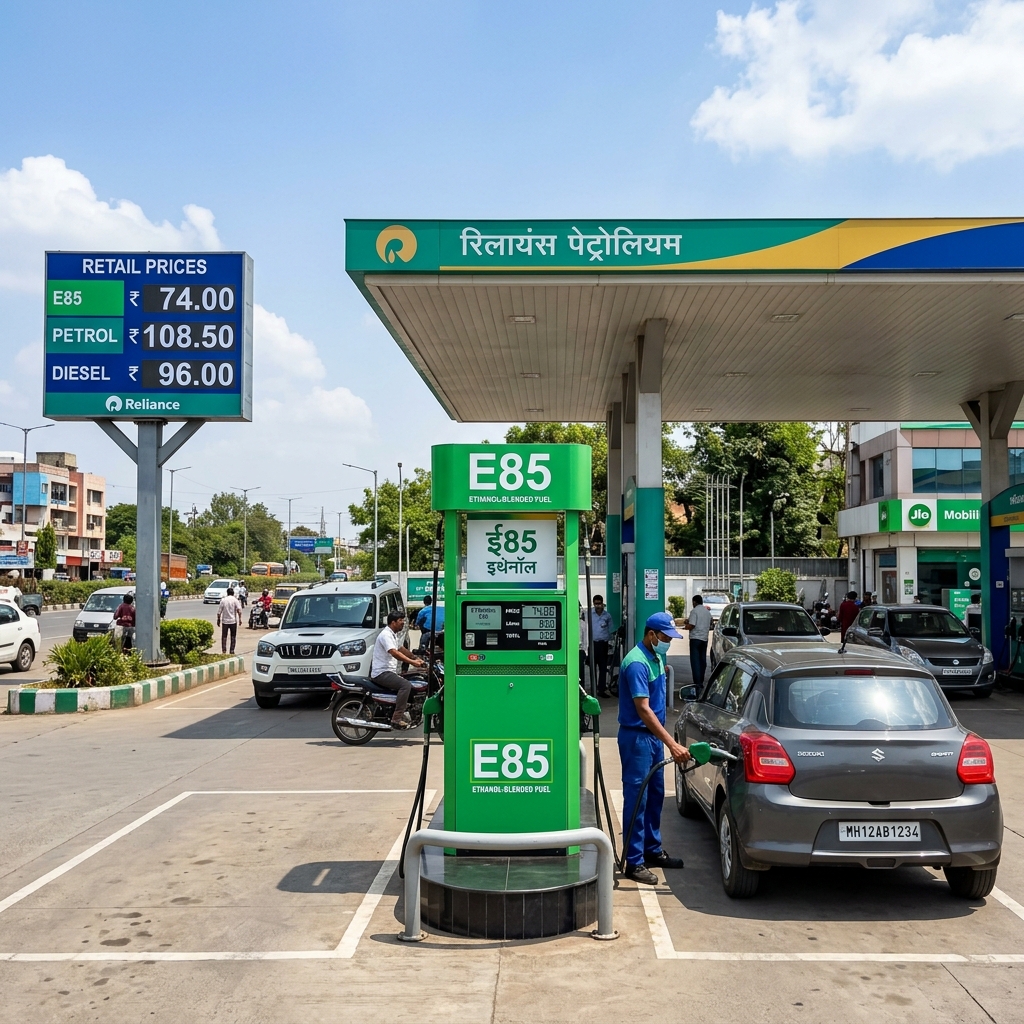
What is Biofuel and Why is it the Future of India?
Biofuels are renewable liquid or gaseous fuels derived from biological materials, such as agricultural waste, vegetable oils, animal fats, and municipal solid waste. The two most common types of biofuels used in transportation are Biodiesel* and **Bioethanol**, alongside *Compressed Biogas (CBG).
The Push for Green Energy
India, being one of the world's largest consumers of energy, relies heavily on imported crude oil, which strains the economy and increases carbon emissions. To counter this, the Government of India has introduced the National Policy on Biofuels, which aims to increase the blending of ethanol and biodiesel in regular petroleum products. Furthermore, the government has authorized the direct sale of biodiesel (B100) and CBG through standalone retail outlets.Why Invest in Biofuels?
1. Eco-Friendly: Biofuels significantly lower greenhouse gas emissions compared to conventional diesel and petrol. 2. Economic Independence: Produces fuel locally from domestic waste and agricultural output, reducing dependency on oil imports. 3. Cheaper Alternative: Biofuels are generally priced lower than standard diesel, offering a strong incentive for commercial vehicle owners, farmers, and transport fleets to switch. 4. Government Support: Subsidies, easier licensing processes, and tax benefits make it a highly attractive sector.---
Market Potential for Biofuel Pumps in India
The demand for energy in India is growing exponentially. With the transportation sector accounting for a massive chunk of this energy consumption, the shift to cleaner fuels is not just a trend—it's a necessity.
Target Audience for Biofuels
When you open a biofuel pump, your primary customers will include: * Commercial Transport Fleets: Trucks and buses consume the highest amount of diesel. Fleet operators are constantly looking for ways to reduce fuel costs, making them the ideal target market for biodiesel. * Farmers and Agricultural Equipment: Tractors, harvesters, and irrigation pumps can run smoothly on biodiesel, offering rural biofuel pumps a massive customer base. * Industrial Generators: Factories and commercial complexes rely on DG sets (Diesel Generators) for power backup. Biodiesel is an excellent drop-in replacement for regular diesel in these generators. * Public Transport: State transport buses and private tourist buses.Growth Projections
The Indian biofuel market is expected to grow at a Compound Annual Growth Rate (CAGR) of over 8% in the coming decade. With major oil marketing companies (OMCs) and private players aggressively expanding their retail networks, the early movers in the biofuel retail space stand to gain the most. The introduction of the SATAT (Sustainable Alternative Towards Affordable Transportation) scheme has further boosted the CBG retail network.---
Government Policies and Support
The Indian government has created a highly favorable environment for the biofuel industry. Understanding these policies is crucial for anyone looking to enter this business.
National Policy on Biofuels (2018)
This policy categorized biofuels into 'Basic Biofuels' (First Generation - 1G bioethanol and biodiesel) and 'Advanced Biofuels' (Second Generation - 2G ethanol, Municipal Solid Waste to drop-in fuels). The policy allows the direct sale of biodiesel to bulk consumers and encourages the setting up of retail outlets for blended and pure biofuels.SATAT Scheme
Launched by the Ministry of Petroleum and Natural Gas, SATAT encourages entrepreneurs to set up Compressed Bio-Gas (CBG) production plants and retail outlets. Under this scheme, Oil Marketing Companies (like IOCL, BPCL, HPCL) guarantee the off-take of CBG from the plants, which is then sold through their retail networks or independent green fuel pumps.Tax Benefits and Subsidies
To promote the sector, the GST on biodiesel supplied to OMCs for blending has been reduced. Additionally, various state governments offer capital subsidies, interest subvention, and stamp duty exemptions for setting up biofuel infrastructure.---
Top Biofuel Pump Franchises in India
If you want to start a biofuel pump, partnering with an established brand is the safest and most efficient route. A franchise offers brand recognition, technical support, supply chain reliability, and assistance with regulatory approvals.
Here are some of the notable players and business models in the Indian biofuel and green energy market:
1. My Eco Energy (MEE): Known for its Indizel brand, MEE is one of the prominent private players offering biodiesel retail outlets in India. They offer a non-petroleum based fuel that meets EN 590 and IS 1460 standards. 2. BioD Energy: A major player in the biodiesel manufacturing sector, converting Used Cooking Oil (UCO) into biodiesel. 3. Khanda Biofuels: A well-known name in the biodiesel sector offering franchise opportunities for retail outlets. 4. Reliance Industries & Jio-bp: While primarily known for petroleum, Jio-bp is heavily investing in alternative fuels, EV charging, and CBG. Partnering with a giant like Jio-bp offers immense brand value. 5. IndianOil, BPCL, and HPCL: The public sector OMCs are also setting up dedicated CBG and biofuel dispensing facilities. Applying for a dealership under their green energy initiatives is a highly secure investment. 6. Neste & Local Partnerships: While international giants operate at a macro level, several regional players offer franchise models for B100 (100% Biodiesel) pumps.
---
Step-by-Step Guide to Starting a Biofuel Pump Business
Starting a fuel retail business requires meticulous planning, substantial investment, and strict adherence to safety and legal regulations. Here is a comprehensive step-by-step guide.
Step 1: Conduct Thorough Market Research
Before investing, you need to assess the demand in your chosen location. * Traffic Analysis: Analyze the volume of commercial vehicles (trucks, buses) passing through the proposed site. Highway locations (NH/SH) are generally the most profitable. * Local Industries: Check if there are factories, transport hubs, or large agricultural communities nearby that use diesel extensively. * Competitor Analysis: Identify existing petrol/diesel pumps in the area and assess their fuel prices. Biodiesel must ideally be priced a few rupees cheaper than regular diesel to attract customers.Step 2: Land Requirements
Land is the most critical component of a biofuel pump. You can either own the land or take it on a long-term lease (usually 15 to 30 years). Area Required:** Depending on the franchise and location (City vs. Highway), the land requirement typically ranges from *8,000 sq. ft. to 20,000 sq. ft. (approx. 800 to 2000 sq. meters). * Frontage: A wide frontage (at least 30 to 45 meters) is strictly required to allow easy entry and exit of heavy commercial vehicles. * Location Norms: The land should not be located on blind curves, highly congested intersections, or near protected monuments. It must comply with the Indian Roads Congress (IRC) guidelines. * Status of Land: The land title must be clear, without any legal disputes, and preferably converted for commercial use (Non-Agricultural - NA).Step 3: Choose the Right Franchise
Evaluate different biofuel companies based on: * Franchise fee and total investment required. * Profit margins offered per liter. * Supply chain efficiency (Can they ensure uninterrupted fuel supply?). * Brand reputation and marketing support. * Fuel quality (Must comply with BIS standards like IS 15607 for Biodiesel).Step 4: Documentation and Licenses (The Most Crucial Phase)
Setting up any fuel station in India requires multiple clearances from various government departments. This process can take anywhere from 3 to 8 months. * NOC from District Magistrate (DM): The primary No Objection Certificate required to set up the pump. * PESO Clearance: Approval from the Petroleum and Explosives Safety Organisation for the safe storage of fuel and installation of underground tanks. * NOC from PWD / NHAI: If the pump is located on a State Highway or National Highway, you need permission for access roads. * Fire Department NOC: Strict adherence to fire safety norms is mandatory. * Pollution Control Board Clearance: Consent to Establish (CTE) and Consent to Operate (CTO). * Police and Traffic Department NOC. * Weights and Measures Department Stamping: To ensure the dispensing units deliver accurate quantities. * Trade License & GST Registration.Note: Most reputed franchises assign a dedicated team to assist you in obtaining these licenses.
Step 5: Infrastructure and Setup
Once approvals are in place, civil construction begins. * Underground Storage Tanks: Installing double-walled tanks as per PESO guidelines. * Dispensing Units (DU): High-speed dispensers for commercial vehicles. * Canopy and Driveway: Constructing a strong, well-lit canopy and a durable concrete driveway capable of handling heavy truck loads. * Office Building: A sales room, manager's cabin, and automated billing systems. * Amenities: Providing free air, clean drinking water, and clean washrooms is mandatory and crucial for attracting truck drivers.Step 6: Staff Hiring and Training
You will need a manager, billing clerks, and several pump attendants. Staff must be trained in safety protocols, fire emergency procedures, and customer service.---
Biofuel Pump Franchise Cost in India
The cost of setting up a biofuel pump varies significantly based on the brand, location (tier 1 city vs. rural highway), and the size of the land. However, establishing a biofuel pump is generally slightly cheaper than a traditional petrol pump.
Here is a detailed breakdown of the estimated investment required:
1. Land Cost
This is highly variable. If you already own the land, your capital expenditure drops drastically. If leased, you must account for the initial lease deposit and monthly rent. * Estimated Cost: ₹0 (if owned) to ₹50 Lakhs+ (Lease deposit/purchase depending on location).2. Franchise Fee / Security Deposit
Most companies require a one-time, non-refundable brand fee or a refundable security deposit. * Estimated Cost: ₹2 Lakhs to ₹5 Lakhs.3. Civil Work and Infrastructure
This includes leveling the land, constructing the concrete driveway, boundary walls, sales office, washrooms, and canopy. * Estimated Cost: ₹20 Lakhs to ₹35 Lakhs.4. Machinery and Equipment
This covers the cost of underground storage tanks (usually 20 KL or 40 KL capacity), fuel dispensers, automation systems, piping, fire extinguishers, and a heavy-duty silent generator. * Estimated Cost: ₹15 Lakhs to ₹25 Lakhs.5. Working Capital
You need funds to purchase the initial stock of fuel, pay salaries, and manage day-to-day operations for the first few months. * Estimated Cost: ₹5 Lakhs to ₹10 Lakhs.Total Estimated Investment
* Minimum Investment: ₹40 Lakhs to ₹50 Lakhs (Assuming you own the land and opt for a basic setup). * Maximum Investment: ₹80 Lakhs to ₹1.5 Crores (For a large, premium setup on leased highway land with multiple dispensers and amenities).Note: Some franchises offer a Company Owned Dealer Operated (CODO) model where the company bears most infrastructure costs, but the profit margins offered to the dealer are lower. The figures above represent a Dealer Owned Dealer Operated (DODO) model.
---
Profit Margin in Biofuel Pump Business
The profitability of a biofuel pump depends entirely on your daily sales volume. The primary advantage of biodiesel is that it offers a slightly higher dealer commission compared to conventional diesel.
The Math Behind the Profits
Dealer Commission:** Biofuel companies typically offer a commission ranging from *₹2.00 to ₹4.00 per liter. (In contrast, traditional petrol/diesel pumps offer around ₹1.80 to ₹2.50 per liter for diesel). * Price Advantage: Biofuels are often sold at ₹1 to ₹3 cheaper than standard diesel, making it highly attractive to bulk buyers like truck drivers and farmers.Monthly Profit Calculation Example:
Let’s assume a conservative estimate for a highway pump: * Daily Sales Volume: 3,000 liters * Dealer Commission: ₹3.00 per liter * Gross Daily Profit: 3,000 x 3 = ₹9,000 * Gross Monthly Profit: ₹9,000 x 30 = ₹2,70,000Monthly Expenses: * Staff Salaries (4 attendants + 1 manager): ₹70,000 * Electricity and Generator Fuel: ₹20,000 * Maintenance and Miscellaneous: ₹10,000 * Land Rent (if applicable): ₹50,000 * Total Expenses: ₹1,50,000
Net Monthly Profit:* ₹2,70,000 - ₹1,50,000 = *₹1,20,000
If your sales volume increases to 5,000 or 8,000 liters a day (which is common on busy highways), your net profits can easily range from ₹3 Lakhs to ₹5 Lakhs per month.
Additional Revenue Streams
To maximize profits, you should utilize the available land to offer allied services: * Dhaba / Restaurant: Highly profitable on highways. * Convenience Store: Selling snacks, drinks, and essential travel items. * Vehicle Servicing: Tire repair, washing, and oil change facilities. * Lubricants: Selling engine oils and coolants yields very high margins.---
Challenges in the Biofuel Business
While the business is highly lucrative, entrepreneurs must be prepared for certain challenges: 1. Consumer Awareness: Many truck drivers and vehicle owners are still skeptical about using 100% biodiesel due to fears of engine damage. You will need to actively educate customers and assure them of the fuel's quality. 2. Supply Chain Consistency: The availability of raw materials (like used cooking oil or agricultural waste) can sometimes affect the production and supply of biodiesel. Partnering with a reliable franchise is crucial. 3. Bureaucratic Delays: Obtaining the necessary NOCs and licenses can be a frustrating and time-consuming process, often taking over six months. 4. Price Fluctuations: The pricing of biofuels is linked to raw material costs and government taxation policies, which can fluctuate.
---
Conclusion
Starting a biofuel pump business in India is a forward-thinking investment that aligns perfectly with global sustainability goals and the Indian government's push for green energy. With an investment of ₹50 Lakhs to ₹1 Crore, you can establish a highly profitable retail outlet that not only yields excellent returns but also contributes to a cleaner environment.
The key to success in this sector lies in selecting a strategic highway location, partnering with a reputable brand that ensures high-quality fuel, and aggressively marketing the cost benefits to local fleet operators and farmers. As the transition away from fossil fuels accelerates, early investors in the biofuel retail space are positioned to build highly successful, long-term businesses.
---
Frequently Asked Questions (FAQs)
1. Is it legal to sell Biodiesel directly in India? Yes, under the National Policy on Biofuels and subsequent guidelines from the Ministry of Petroleum and Natural Gas, the direct sale of biodiesel (B100) through standalone retail outlets is legal, provided you obtain all necessary licenses and sell BIS-standard fuel.
2. Can any diesel vehicle run on Biodiesel? Most modern diesel engines can run on a biodiesel blend (like B20 - 20% biodiesel) without any modifications. For running on 100% biodiesel (B100), some older engines might require minor adjustments to rubber hoses and seals, but many fleet operators use it seamlessly. Always advise customers to consult their vehicle manufacturer.
3. What is the minimum land required for a biofuel pump? The minimum land required is usually around 8,000 sq. ft. (roughly 800 sq. meters), with a minimum frontage of 30 meters, though requirements vary based on the specific franchise and location (highway vs. city).
4. How much profit can I make from a biofuel pump? On average, the dealer commission is between ₹2.00 to ₹4.00 per liter. If you sell 4,000 liters a day, you can expect a net monthly profit of ₹1.5 Lakhs to ₹3 Lakhs, depending on your operational expenses.
5. Do I need PESO approval for a biofuel pump? Yes. Even though biodiesel is considered a safer, non-explosive fuel with a higher flash point than conventional diesel, the installation of underground storage tanks and dispensing units strictly requires approval from the Petroleum and Explosives Safety Organisation (PESO).
6. Which is the best biofuel franchise in India? There are several reputable players, including My Eco Energy (MEE), BioD Energy, and initiatives by major OMCs like Jio-bp, IndianOil, and BPCL. The "best" franchise depends on their presence in your state, supply chain reliability, and the franchise fee structure.
7. Can I convert my existing petrol pump to a biofuel pump? Yes, but you will need explicit permission from your current OMC (if you are tied to one) and may need to update your licenses and tank certifications to dispense biofuels legally. Most people prefer setting up independent green fuel pumps.