As the global push for cleaner energy and reduced greenhouse gas (GHG) emissions intensifies, the automotive and energy sectors have increasingly turned to alternative fuels. Among these, E85—a blend of 85% ethanol and 15% gasoline—has emerged as a prominent substitute for traditional petroleum-based gasoline. Proponents argue that E85 is a renewable, cleaner-burning fuel that significantly reduces our carbon footprint and reliance on fossil fuels. Critics, however, point to the energy-intensive agricultural processes required to produce ethanol, arguing that its lifecycle emissions may negate its tailpipe benefits.
So, is E85 fuel genuinely better for the environment? To answer this, we must look beyond a simple "yes" or "no" and delve deep into a comparative analysis of emissions. This article will explore everything from tailpipe exhaust to lifecycle "well-to-wheels" emissions, the impact of agricultural practices, and how E85 stacks up against regular gasoline across various environmental metrics.
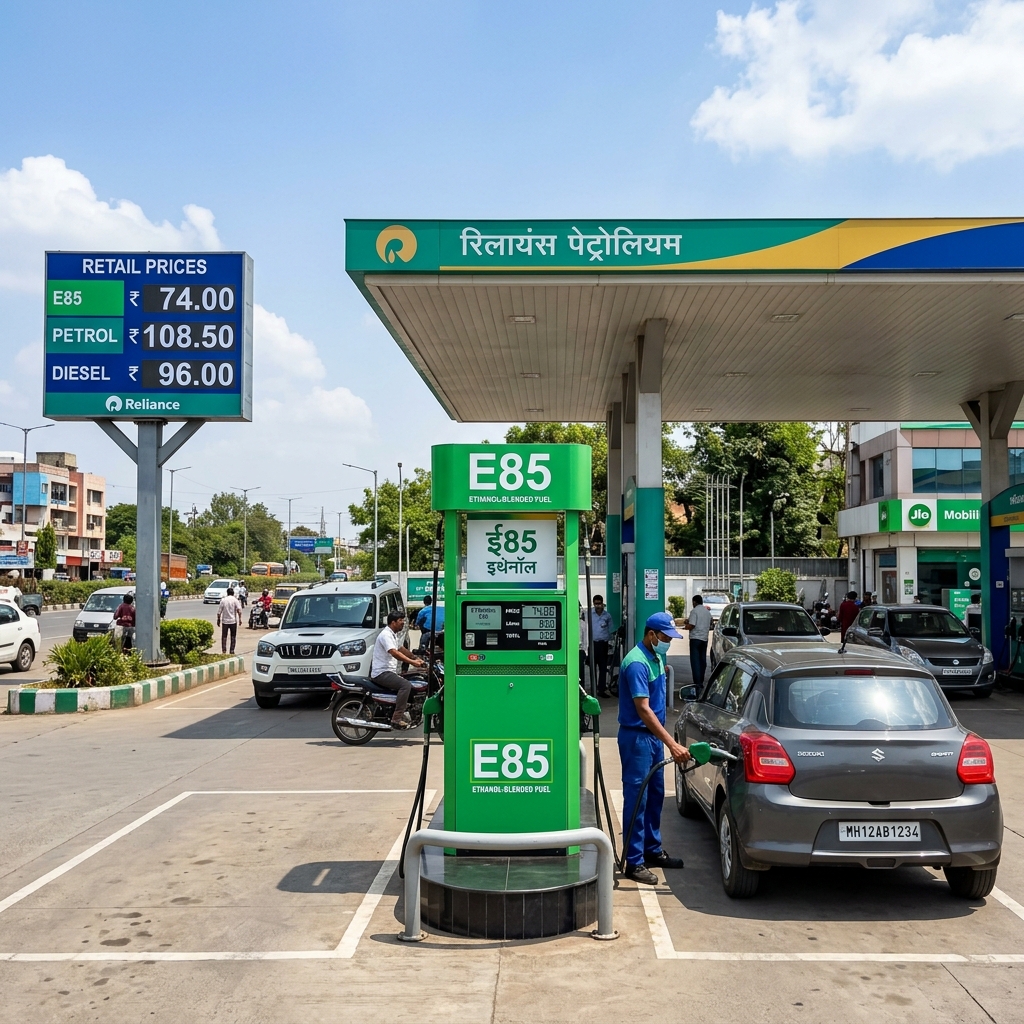
Understanding E85: What Is It?
Before diving into the environmental data, it is essential to understand what E85 actually is. E85 is a high-level ethanol blend containing between 51% and 83% ethanol (depending on geography and season) with the remainder made up of regular unleaded gasoline. The "85" denotes the historical maximum ethanol content.
Ethanol (ethyl alcohol) is a renewable biofuel primarily produced from the fermentation of sugars found in plant materials. In the United States, corn is the primary feedstock, whereas in countries like Brazil, sugarcane is predominantly used. Because ethanol is an alcohol, it has different chemical properties than the hydrocarbons that make up gasoline. It contains oxygen, which helps the fuel burn more completely, and it has a higher octane rating, which can improve engine performance under certain conditions.
To use E85, vehicles must be specially designed as Flexible Fuel Vehicles (FFVs). These vehicles are equipped with modified fuel systems and engine calibrations that allow them to run on any blend of gasoline and ethanol up to 85%.
E85 vs. Gasoline: Tailpipe Emissions
When consumers think of vehicle emissions, they usually think of what comes out of the tailpipe. Tailpipe emissions, or "pump-to-wheels" emissions, refer to the pollutants released directly into the atmosphere during the combustion of fuel in the engine. In this arena, E85 demonstrates some clear advantages over conventional gasoline, though the picture is nuanced.
Carbon Dioxide (CO2)
Carbon dioxide is the primary greenhouse gas responsible for global climate change. When burned, ethanol produces less CO2 per gallon than gasoline. Furthermore, the CO2 released during the combustion of ethanol is theoretically offset by the CO2 absorbed by the plants (e.g., corn or sugarcane) during their growth phase. This creates what is known as a biogenic carbon cycle.Gasoline combustion releases carbon that has been trapped underground for millions of years, introducing "new" carbon into the current carbon cycle and increasing atmospheric CO2 levels. In contrast, the carbon released by burning ethanol was recently pulled from the atmosphere by crops. While tailpipe CO2 emissions from burning E85 are roughly 15-20% lower than gasoline on a per-mile basis, the true benefit relies heavily on the biogenic cycle.
Carbon Monoxide (CO)
Carbon monoxide is a poisonous gas formed by the incomplete combustion of carbon-based fuels. Because ethanol contains oxygen (it is an oxygenate), it promotes a more complete combustion process. Consequently, vehicles running on E85 typically emit up to 40% less carbon monoxide than those running on pure gasoline. This reduction is particularly notable during cold starts, which is when the catalytic converter is not yet up to optimal operating temperature and CO emissions are traditionally at their highest.Particulate Matter (PM)
Particulate matter (PM) consists of microscopic solid or liquid particles suspended in the air, which can penetrate deep into the lungs and cause severe respiratory and cardiovascular issues. E85 burns significantly cleaner in terms of PM. Studies have shown that using E85 can reduce particulate emissions by up to 50% compared to standard gasoline. This is a crucial benefit for improving local air quality, particularly in dense urban environments where vehicle traffic is a major source of PM pollution.Nitrogen Oxides (NOx)
Nitrogen oxides (NOx) are a group of highly reactive gases that contribute to the formation of smog and acid rain. The impact of E85 on NOx emissions is somewhat mixed and highly dependent on engine design and operating conditions. Some studies indicate that E85 can reduce NOx emissions by 10-20% because ethanol has a lower combustion temperature than gasoline. Lower combustion temperatures generally lead to reduced formation of thermal NOx. However, other tests have shown slight increases in NOx under specific load conditions. Generally, modern FFVs are calibrated to ensure NOx emissions remain well within regulatory limits when running on E85.Volatile Organic Compounds (VOCs)
Volatile organic compounds (VOCs) react with NOx in the presence of sunlight to form ground-level ozone, a primary component of smog. Tailpipe exhaust VOC emissions are generally lower with E85 because of its cleaner combustion. However, evaporative emissions—fuel vapors that escape into the air during refueling or from the fuel system—can be slightly higher for some mid-level ethanol blends due to increased vapor pressure. E85, ironically, has a lower vapor pressure than E10 or E15, meaning its evaporative emissions are often comparable to or lower than standard gasoline.The Bigger Picture: Lifecycle Greenhouse Gas Emissions
While tailpipe emissions strongly favor E85, the environmental assessment of any fuel must consider its entire lifecycle. This is often referred to as "well-to-wheels" (WTW) or "seed-to-wheels" analysis. It accounts for all energy consumed and emissions generated during: 1. Growing and harvesting the feedstock (farming, fertilizers, pesticides). 2. Transporting the feedstock to the refinery. 3. Processing the feedstock into ethanol (fermentation, distillation). 4. Transporting the finished fuel to gas stations. 5. Combusting the fuel in the vehicle.
The Energy Intensity of Corn Ethanol
In the US, the vast majority of ethanol is produced from corn. The agricultural phase is heavily reliant on fossil fuels. Tractors run on diesel, and the production of nitrogen-based fertilizers is incredibly energy-intensive, primarily utilizing natural gas. Furthermore, the application of these fertilizers leads to the emission of nitrous oxide (N2O), a greenhouse gas roughly 300 times more potent than CO2.The refining process (turning corn into ethanol) also requires significant energy, usually in the form of natural gas or coal to generate the heat needed for fermentation and distillation.
Despite these inputs, modern lifecycle analyses consistently show that corn-based ethanol has a lower carbon intensity than petroleum gasoline. According to the Argonne National Laboratory's GREET (Greenhouse gases, Regulated Emissions, and Energy use in Technologies) model, corn ethanol produced today results in roughly 40% to 50% fewer GHG emissions over its lifecycle compared to standard gasoline. This improvement over the past two decades is largely due to increased crop yields, more efficient farming practices, and significant efficiency gains at ethanol biorefineries.
Land Use Changes (LUC)
One of the most controversial aspects of assessing ethanol's environmental impact is Indirect Land Use Change (ILUC). The theory suggests that if US farmland is diverted from producing food to producing fuel (corn for ethanol), it will drive up global food prices. This, in turn, incentivizes farmers in other countries (like Brazil or Indonesia) to clear natural habitats, such as rainforests or grasslands, to grow replacement food crops. Deforestation releases massive amounts of stored carbon, potentially wiping out any GHG benefits of the biofuel.Early studies in the 2000s suggested that ILUC emissions made corn ethanol worse for the climate than gasoline. However, subsequent, more sophisticated modeling has revised these estimates drastically downward. While ILUC is a real phenomenon, agricultural productivity has increased fast enough to absorb much of the demand for ethanol without necessitating massive global land clearing. Most modern regulatory frameworks, like the California Low Carbon Fuel Standard (LCFS), include an ILUC penalty for corn ethanol, but it still scores better than gasoline overall.
The Promise of Cellulosic Ethanol
The true environmental potential of E85 lies in the transition from first-generation (corn) ethanol to second-generation (cellulosic) ethanol. Cellulosic ethanol is made from non-edible plant materials, such as agricultural residues (corn stover, wheat straw), wood chips, and dedicated energy crops like switchgrass.Because these feedstocks do not compete with food crops and often require fewer inputs (fertilizers and water), their lifecycle emissions are substantially lower. Lifecycle assessments indicate that cellulosic ethanol can reduce GHG emissions by 85% to over 100% (making it carbon negative if carbon capture technologies are used at the refinery) compared to gasoline. While large-scale commercialization of cellulosic ethanol has been slower than anticipated, it represents the sustainable future of E85.
Impact on Local Air Quality and Health
Global climate change is primarily driven by CO2, but local air quality is dictated by pollutants like PM, CO, NOx, and ozone. In urban centers, poor air quality leads to respiratory diseases, cardiovascular problems, and premature death.
As noted earlier, E85 significantly reduces tailpipe emissions of PM and CO. Furthermore, ethanol replaces highly toxic aromatics found in gasoline. To boost the octane rating of standard unleaded gasoline, refiners blend in aromatic hydrocarbons like benzene, toluene, and xylene (BTX). Benzene, in particular, is a known human carcinogen.
Because ethanol naturally has a high octane rating (over 100), blending it into gasoline to make E85 drastically reduces the need for these toxic aromatics. Consequently, the exhaust from an E85 vehicle contains significantly fewer carcinogenic compounds than exhaust from a standard gasoline vehicle. The reduction in secondary aerosol formation (which creates smog) due to lower aromatic content is a major victory for local air quality.
Water Usage and Pollution
A comprehensive environmental comparison must also consider water resources. Producing ethanol requires water at two main stages: growing the crop and processing the ethanol at the refinery.
Agricultural Water Use
Corn is a thirsty crop. In regions where rainfall is insufficient, heavy irrigation is required, putting stress on local aquifers and water tables. However, a significant portion of US corn grown for ethanol is rain-fed, mitigating this issue somewhat.A larger concern is agricultural runoff. The heavy use of nitrogen and phosphorus fertilizers in corn farming leads to nutrient runoff into waterways. This runoff eventually reaches larger bodies of water, such as the Gulf of Mexico, where it causes eutrophication—massive algal blooms that deplete oxygen in the water, creating "dead zones" where marine life cannot survive. This is one of the most significant environmental drawbacks of corn-based ethanol production.
Refinery Water Use
Ethanol biorefineries also consume water for cooling and processing. Over the past 20 years, the ethanol industry has made massive strides in water efficiency. The amount of water required to produce a gallon of ethanol has dropped from over 5 gallons in the late 1990s to less than 2.5 gallons today, with many plants operating as zero-liquid-discharge facilities (recycling all water internally).By comparison, the extraction and refining of petroleum also consume massive amounts of water and carry the constant risk of catastrophic spills, groundwater contamination from fracking, and toxic wastewater disposal issues.
Fuel Efficiency and the E85 Paradox
One environmental and economic factor often raised by consumers is fuel economy. Ethanol contains roughly 30% less energy per gallon than gasoline. Therefore, running a vehicle on E85 results in a 15% to 25% drop in miles per gallon (MPG) compared to standard E10 gasoline.
From an environmental standpoint, burning more gallons of fuel per mile seems counterintuitive. However, because each gallon of E85 produces significantly less net CO2 and fewer toxic pollutants, the overall emissions per mile driven remain lower than gasoline. The drop in MPG is a consideration for the consumer's wallet (often offset by the lower per-gallon price of E85) but does not negate the environmental benefits when measured on a per-mile lifecycle basis.
Furthermore, because E85 has a high octane rating and high latent heat of vaporization, it acts as a chemical intercooler, resisting engine knock. This allows engine designers to increase compression ratios and utilize aggressive turbocharging. While most current FFVs are simply adapted from standard gasoline engines, purpose-built engines optimized for E85 could regain much of the lost MPG efficiency by exploiting ethanol's unique properties, further widening the environmental gap between E85 and gasoline.
The Future of E85 and Biofuels
The environmental viability of E85 in the long term depends on how the fuel evolves. If ethanol production remains entirely reliant on conventional corn farming, its environmental benefits, while real, will remain capped by the limitations of intensive agriculture.
However, several trends suggest the environmental footprint of E85 will continue to shrink:
1. Precision Agriculture: Farmers are adopting GPS-guided equipment and data analytics to optimize fertilizer application, reducing runoff and N2O emissions. 2. Renewable Energy at Refineries: Ethanol plants are increasingly powering their operations with wind, solar, and biogas, reducing the fossil fuel footprint of the refining process. 3. Carbon Capture and Sequestration (CCS): The fermentation process produces a highly concentrated stream of pure CO2. Ethanol plants are beginning to capture this CO2 and sequester it deep underground. CCS can dramatically lower the carbon intensity of ethanol, potentially making it carbon-neutral. 4. Cellulosic Advancements: Continued investment in second and third-generation feedstocks (like algae) will divorce ethanol production from food crops entirely.
Conclusion: The Verdict on E85
So, is E85 fuel better for the environment than gasoline? Based on the overwhelming consensus of current scientific lifecycle analyses, the answer is yes.
When you pump E85 into a flex-fuel vehicle, you are utilizing a fuel that reduces greenhouse gas emissions by 40% to 50% over its lifecycle compared to petroleum gasoline. You are cutting tailpipe emissions of carbon monoxide and particulate matter, reducing the emission of cancer-causing aromatics like benzene, and supporting a renewable energy cycle rather than pulling ancient carbon from the earth.
However, it is not a perfect solution. The reliance on intensive corn farming poses real challenges regarding water usage, fertilizer runoff, and land management. E85 should not be viewed as the ultimate endpoint of sustainable transportation, but rather as a critical, immediately available transitional fuel. As ethanol production becomes more efficient, adopts carbon capture, and transitions to cellulosic feedstocks, E85 will continue to serve as a vital tool in our arsenal to reduce vehicular emissions and mitigate climate change.
---
Frequently Asked Questions (FAQs)
1. Does E85 ruin your engine? No, provided you use it in a Flex-Fuel Vehicle (FFV) designed to handle it. FFVs have upgraded fuel lines, pumps, and engine mapping to accommodate the corrosive properties of alcohol and its different combustion characteristics. Using E85 in a standard, non-FFV car can damage fuel system components over time.
2. Why do I get worse gas mileage with E85? Ethanol has a lower energy density than gasoline. It contains about 30% less energy per gallon. Therefore, your engine has to burn more E85 to achieve the same power output, resulting in a 15-25% reduction in miles per gallon (MPG).
3. Is E85 completely carbon neutral? No, currently corn-based E85 is not completely carbon neutral. While the plants absorb CO2 as they grow, offsetting tailpipe CO2, the fossil fuels used in farming (tractors, fertilizers) and refining add carbon to the lifecycle. Overall, it reduces GHG emissions by about 40-50% compared to gasoline.
4. Can E85 help reduce smog? Yes. E85 reduces tailpipe emissions of particulate matter, carbon monoxide, and volatile organic compounds. Furthermore, because ethanol has a naturally high octane rating, refiners don't need to add toxic, smog-forming aromatic hydrocarbons (like benzene) to the fuel.
5. Are we running out of food by making ethanol? No. The corn used for ethanol in the US is primarily field corn, used for animal feed, not the sweet corn humans eat directly. Furthermore, the byproduct of ethanol production is Distillers Grains, a highly nutritious, protein-rich animal feed. Therefore, the land produces both fuel and food simultaneously.