If you own a classic car, a vintage motorcycle, or even a piece of older power equipment, you have likely heard the whispers and warnings about ethanol-blended gasoline. In garage circles and at car shows, ethanol is often discussed in hushed, frustrated tones—blamed for everything from rusted fuel tanks to complete engine failure. But is the panic justified? Does ethanol really damage old car engines, or is the threat exaggerated?
The short answer is yes, ethanol can damage old car engines, but the complete truth is far more nuanced. Ethanol-blended fuels present specific, well-documented challenges for vintage fuel systems, which were simply never designed to handle the chemical properties of modern alcohol-based additives. However, with the right knowledge, preventative maintenance, and modern upgrades, classic car owners can safely navigate the modern fuel landscape.
In this comprehensive guide, we will dive deep into the science behind ethanol and gasoline, explore exactly how ethanol interacts with older engines, identify the components most at risk, debunk common myths, and provide you with actionable steps to protect your beloved classic vehicle.
---
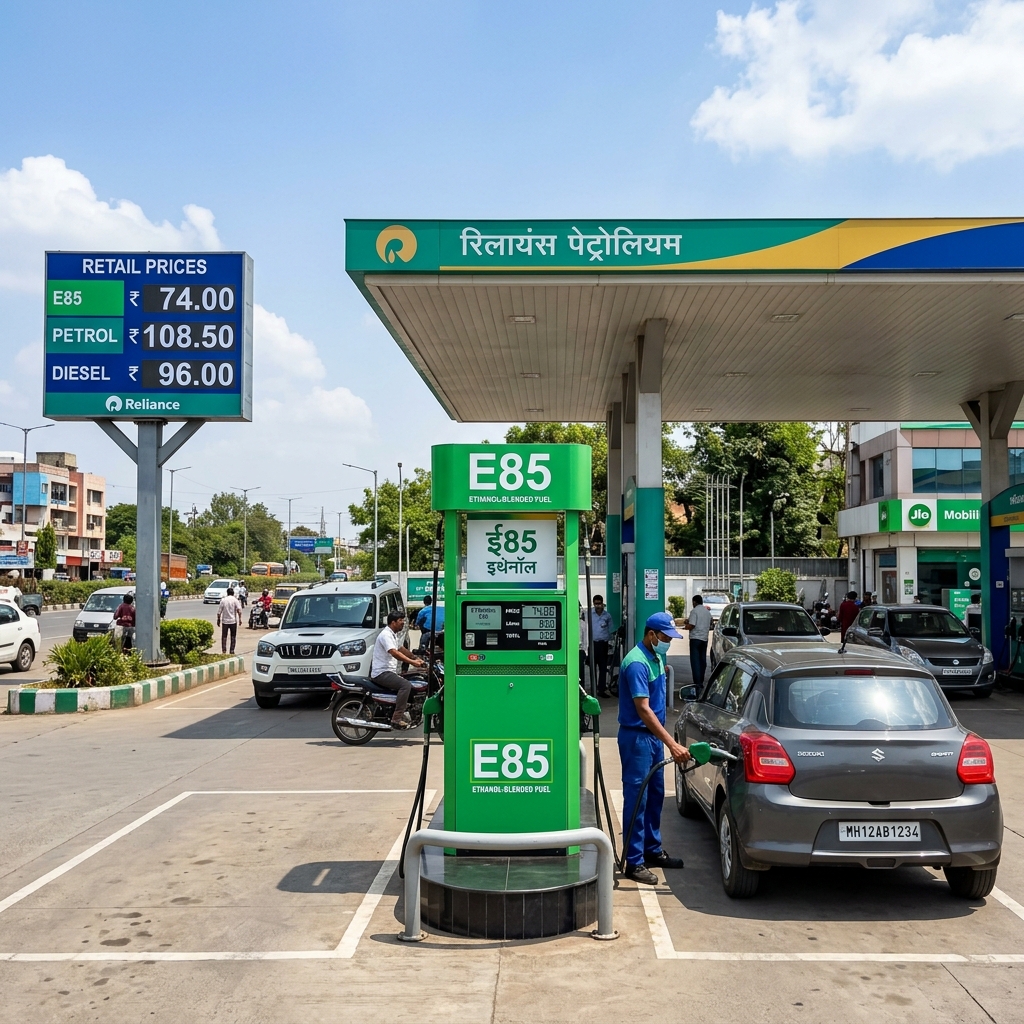
What is Ethanol and Why is it in Our Fuel?
To understand the problem, we first need to understand the substance itself. Ethanol, also known as ethyl alcohol, is a renewable biofuel made from plant materials—most commonly corn in the United States and sugarcane in countries like Brazil.
The Chemistry of Ethanol
Chemically, ethanol ($C_2H_5OH$) is an alcohol. It contains oxygen, which is one of the primary reasons it is added to gasoline. When gasoline contains oxygenates like ethanol, it burns more completely, which theoretically reduces harmful tailpipe emissions such as carbon monoxide and unburned hydrocarbons.The Environmental and Economic Push
The widespread introduction of ethanol into the fuel supply began in earnest in the late 1990s and early 2000s, driven by a combination of environmental regulations (like the Clean Air Act) and government mandates (like the Renewable Fuel Standard in the US). The goal was twofold: to reduce smog-forming emissions and to decrease reliance on imported petroleum by supplementing it with domestically produced agricultural products.Decoding the Pumps: E10, E15, and E85
When you pull up to a modern gas station, you are almost certainly pumping an ethanol blend. - E10: This is the most common blend, consisting of 90% gasoline and 10% ethanol. It is approved for use in all conventional vehicles on the road today. - E15:* A blend of 15% ethanol and 85% gasoline. It is approved for use in vehicles manufactured in 2001 or newer, but it is explicitly *not recommended for older vehicles, motorcycles, or small engines. - E85: Known as "flex-fuel," this contains up to 85% ethanol. It can only be used in specifically designed Flex-Fuel Vehicles (FFVs).For the classic car owner, E10 is the primary concern, as it is nearly ubiquitous.
---
The Vulnerabilities of Old Car Engines
Why is a 1965 Ford Mustang or a 1972 Chevrolet Chevelle more susceptible to ethanol damage than a 2015 Honda Civic? The answer lies in the engineering, the materials, and the technology of the era.
Vintage Materials and Metallurgy
Cars built before the mid-to-late 1990s were engineered for pure, unadulterated gasoline—often leaded gasoline if you go back before the 1970s. The fuel systems were constructed using materials that were perfectly resistant to petroleum-based hydrocarbons but highly vulnerable to alcohol. These materials included natural rubber, cork, certain early plastics, zinc, brass, aluminum, and untreated steel. Modern cars use synthetic rubbers (like Viton), Teflon, and treated plastics specifically engineered to withstand alcohol.Carburetors vs. Modern Fuel Injection
Most classic cars rely on carburetors to mix fuel and air. Carburetors are intricate mechanical devices utilizing floats, needle valves, tiny jets, and delicate gaskets. Because carburetors operate at low pressure and often vent to the atmosphere, they allow fuel to sit and evaporate, exposing the internal components to the unique properties of ethanol. Modern fuel injection systems, by contrast, are sealed, pressurized, and constantly circulating, mitigating many (though not all) of ethanol's negative effects.---
How Ethanol Affects Old Engines: The Three Main Issues
Ethanol acts differently than pure gasoline. Its chemical properties introduce three distinct mechanisms of damage to older fuel systems: hygroscopy, solvency, and altered combustion characteristics.
Issue 1: Hygroscopic Properties (Water Absorption)
The single biggest problem with ethanol is that it is hygroscopic, meaning it attracts and absorbs moisture from the air. Pure gasoline floats on water and does not mix with it. Ethanol, however, readily bonds with water molecules.Because older cars often have fuel systems that are vented to the atmosphere (rather than sealed systems with charcoal canisters like modern cars), humidity from the outside air is constantly drawn into the fuel tank.
Phase Separation: When ethanol absorbs a certain amount of water (as little as 0.5% by volume), it can no longer stay suspended in the gasoline. The ethanol/water mixture becomes heavier than the gasoline and drops to the bottom of the fuel tank. This phenomenon is called phase separation.
Phase separation is disastrous for several reasons: 1. Corrosion: The ethanol/water mixture sitting at the bottom of a steel fuel tank is highly corrosive. It will rapidly rust the inside of the tank. 2. Lean Misfire: The fuel pickup tube draws from the bottom of the tank. If phase separation has occurred, the engine will suddenly suck up a mixture of water and ethanol rather than gasoline. This will cause the engine to stumble, stall, and refuse to run. 3. Octane Loss: Because ethanol is used to boost the octane rating of the fuel, when the ethanol drops out of suspension, the remaining gasoline at the top of the tank is left with a significantly lower octane rating, which can cause engine knock or pinging.
Issue 2: Solvent Properties
Ethanol is a powerful solvent. While gasoline is also a solvent, ethanol dissolves different types of compounds.Dissolving Old Materials: Ethanol will attack and dissolve the natural rubber fuel lines, cork gaskets, and early plastics used in vintage cars. As these materials degrade, they become brittle, swell, or turn to mush. This leads to dangerous fuel leaks, which in a hot engine bay, is a massive fire hazard.
Dislodging Decades of Gunk: Even if you upgrade your fuel lines, ethanol's solvent properties can still cause headaches. Classic cars often have decades of varnish, gum, and sediment built up in the fuel tank and hard lines. Pure gasoline leaves this buildup largely undisturbed. When you introduce ethanol, it acts as a cleaner, dissolving this gunk and sending it downstream. This debris will quickly clog fuel filters, carburetor jets, and fuel pump screens, bringing the car to a halt.
Fiberglass Tanks: Certain vintage motorcycles (like older Nortons or Ducatis) and marine engines utilized fiberglass fuel tanks. Ethanol aggressively dissolves the resins used in older fiberglass, turning the tank into a sticky, gooey mess that can destroy the entire engine if drawn into the combustion chamber.
Issue 3: Lean Burn and Overheating
Ethanol contains less energy by volume than pure gasoline—roughly 30% less. Furthermore, because ethanol contains its own oxygen molecule, it changes the required air-to-fuel ratio (the stoichiometric ratio).Pure gasoline has a stoichiometric ratio of about 14.7:1 (14.7 parts air to 1 part fuel). E10 has a ratio closer to 14.1:1.
If a vintage carburetor is jetted perfectly for pure gasoline, running E10 will cause the engine to run slightly lean (too much air, not enough fuel). Running lean causes combustion temperatures to spike.
In older engines, especially those designed for leaded fuel that haven't had hardened valve seats installed, this increased heat can cause accelerated exhaust valve and valve seat wear, a condition known as valve seat recession. It can also lead to engine overheating on hot days.
---
Specific Components Most at Risk
When evaluating a classic car for ethanol compatibility, pay special attention to these critical areas:
Fuel Lines and Hoses
The soft rubber hoses connecting the hard lines to the fuel pump and carburetor are the most common failure points. Old rubber will crack, weep fuel, and eventually burst.Fuel Pumps and Diaphragms
Mechanical fuel pumps rely on a flexible rubber diaphragm to pump fuel. Ethanol can cause these older diaphragms to stretch, tear, or disintegrate. If a fuel pump diaphragm fails, it not only stops the car, but it can also allow raw fuel to pump directly into the engine's crankcase, diluting the engine oil and causing catastrophic internal bearing failure.Carburetor Floats, Needles, and Gaskets
Inside the carburetor, ethanol can dissolve cork gaskets, causing internal leaks. Brass floats are generally safe, but early plastic or cellular foam floats can absorb fuel and sink, flooding the engine. The rubber tips on older float needle valves can also harden and fail to seal, again leading to flooding.Fuel Tanks
Untreated steel tanks will rust due to phase separation. Older tank sealers (like some early slushing compounds used to coat the inside of rusty tanks) can also be dissolved by ethanol, peeling off in sheets and clogging the fuel pickup.---
Debunking Common Myths About Ethanol and Classic Cars
There is a lot of misinformation surrounding this topic. Let's separate fact from fiction.
Myth 1: "Premium Fuel Doesn't Contain Ethanol"
False. In most regions, premium high-octane fuel (91 or 93 octane) contains the exact same 10% ethanol blend as regular 87 octane. The octane rating has nothing to do with the presence of ethanol. Unless the pump specifically states "Ethanol-Free" or "Recreational Fuel," you should assume it contains up to 10% ethanol.Myth 2: "Ethanol Will Ruin Your Engine Overnight"
False. Ethanol damage is typically cumulative. If you fill your classic car with E10, go for a long drive, and burn through the tank over the weekend, the risk of damage is minimal. The real danger occurs when the car sits in a garage for weeks, months, or years with E10 in the tank, allowing moisture absorption and phase separation to occur.Myth 3: "A Bottle of Fuel Additive Fixes Everything"
Partially False.* Fuel stabilizers and ethanol treatments are highly recommended, but they are not magic potions. While a good additive can delay phase separation and provide some corrosion protection, *no additive can reverse phase separation once it has occurred, nor can an additive stop ethanol from dissolving old rubber fuel lines. Additives manage the fuel; they do not fix incompatible hardware.---
How to Protect Your Old Car Engine from Ethanol Damage
The good news is that you do not need to park your classic car forever. By taking a proactive approach, you can essentially "ethanol-proof" your vintage vehicle.
1. Upgrade Fuel System Components
This is the most critical step. You must replace any incompatible materials in the fuel system. - Replace all soft fuel lines:* Swap out vintage rubber hoses with modern fuel injection hose rated **SAE J30R9** or *SAE J30R14. These standards indicate the hose is lined with fluoroelastomers (like Viton) that are impervious to ethanol. - Rebuild the Carburetor: Purchase a modern carburetor rebuild kit. Modern kits feature ethanol-resistant gaskets, Viton-tipped needle valves, and modern floats. - Update the Fuel Pump: If you are running an original mechanical fuel pump, rebuild it with a modern kit or replace it with a newly manufactured unit designed for modern fuels.2. Address the Fuel Tank
If your car has a steel tank, ensure it is clean and rust-free. If you need to seal the tank, use a modern epoxy-based tank sealer specifically formulated to resist ethanol (such as those from POR-15 or Caswell). Never use fiberglass tanks with ethanol fuel.3. Adjust the Carburetor Tuning
Because E10 makes an engine run leaner, you may need to adjust your carburetor. This often involves richening the idle mixture screws slightly and potentially installing larger main jets to compensate for the lower energy density of the fuel and to keep combustion temperatures down.4. Seek Out Ethanol-Free Gasoline
The absolute best defense against ethanol is to avoid it altogether. Many marinas, agricultural supply stations, and select gas stations sell pure, ethanol-free gasoline (often marketed as "Recreational Fuel" or "REC-90"). Websites and apps like Pure-Gas.org can help you locate ethanol-free stations in your area. While it is more expensive, it is well worth the peace of mind for a classic car.5. Use Quality Fuel Stabilizers
If you must use E10, or if you are storing the car for the winter, use a high-quality fuel stabilizer specifically designed to combat ethanol issues (such as STA-BIL 360 Protection or Star Tron Enzyme Fuel Treatment). Add the stabilizer before you fill the tank to ensure it mixes thoroughly, and run the engine for a few minutes to get the treated fuel into the carburetor.6. Do Not Let the Car Sit
Ethanol's worst effects happen during prolonged storage. The longer fuel sits, the more water it absorbs. If possible, drive your classic car regularly to keep fresh fuel cycling through the system. If you plan to store the car for the winter, you have two choices: - Fill the tank completely with ethanol-free gas and a stabilizer (a full tank leaves less room for moist air). - Drain the tank and the carburetor completely dry.---
The Future of Fuel for Classic Cars
As the automotive industry pushes toward even higher ethanol blends like E15 and E20, and eventually toward full electrification, classic car owners will face increasing challenges. E15 is strictly forbidden in older vehicles and will cause rapid damage. You must remain vigilant at the pump and ensure you do not accidentally fill up with E15, which is often deceptively marketed as "Unleaded 88."
Looking further ahead, there is hope on the horizon in the form of synthetic fuels (e-fuels). Companies like Porsche are currently developing carbon-neutral synthetic gasoline made from capturing carbon dioxide and combining it with hydrogen. These e-fuels are chemically identical to pure gasoline, contain no ethanol, and require no modifications to vintage engines. While currently very expensive, e-fuels could be the ultimate savior that keeps classic cars on the road for decades to come.
---
Conclusion
So, does ethanol damage old car engines? Yes, if left unchecked, the hygroscopic and solvent properties of ethanol-blended fuels can wreak havoc on vintage fuel systems, leading to corrosion, leaks, clogged carburetors, and potentially severe engine damage.
However, this is not a death sentence for the classic car hobby. The "truth revealed" is that ethanol is a manageable problem. By understanding the chemistry, replacing outdated rubber and gaskets with modern Viton and synthetic materials, utilizing ethanol-free fuel when possible, and employing smart storage practices, you can protect your investment.
Owning a classic car has always required a bit more attention and maintenance than driving a modern appliance. Adapting to modern fuel is simply the latest chapter in the ongoing labor of love that is classic car ownership.
---
Frequently Asked Questions (FAQs)
Q: Can I just run premium gas to avoid ethanol? A: No. In most places, premium fuel contains the same 10% ethanol as regular. You must look for pumps specifically labeled "Ethanol-Free."
Q: Will an octane booster counteract the ethanol? A: No. Octane boosters only raise the octane rating; they do not remove ethanol, stop water absorption, or prevent the ethanol from dissolving rubber components.
Q: How quickly does phase separation happen? A: It depends on the humidity and temperature, but in a vented classic car fuel tank in a humid environment, E10 can begin to degrade and phase separate in as little as 30 to 60 days.
Q: Is it better to store a car with a full tank or an empty tank? A: If you can access ethanol-free fuel, store it 100% full with a stabilizer to minimize air space for condensation. If you can only get E10, it is generally safer to drain the tank and carburetor completely dry for long-term storage.
Q: How do I know if my fuel lines are safe for ethanol? A: Look at the writing printed on the hose itself. If it says "SAE J30R9" or "Fuel Injection Hose," it is safe. If it says "SAE J30R3" or has no markings and looks very old, it needs to be replaced immediately.
Q: Can I mix ethanol-free gas with E10 in my tank? A: Yes, they will mix fine. It will simply dilute the overall percentage of ethanol in the tank. However, if water is already present in the tank from the old E10, adding pure gas will not remove the water.
*
Disclaimer: This article is for informational purposes. Always consult with a professional classic car mechanic regarding specific modifications or repairs to your vehicle's fuel system.