The Indian automotive landscape is undergoing a massive transformation. As the nation grapples with soaring fuel prices, environmental concerns, and a heavy reliance on crude oil imports, alternative fuel technologies are taking center stage. Among the most promising of these innovations is the advent of Flex Fuel Vehicles (FFVs). A flex-fuel car is designed to run on a blend of petrol and ethanol, offering a seamless transition from traditional internal combustion engine (ICE) vehicles to a greener, more sustainable mode of transportation. In this comprehensive guide, we will delve deep into the top 5 benefits of buying a flex fuel car in India, exploring how this technology is set to revolutionize the way we drive.
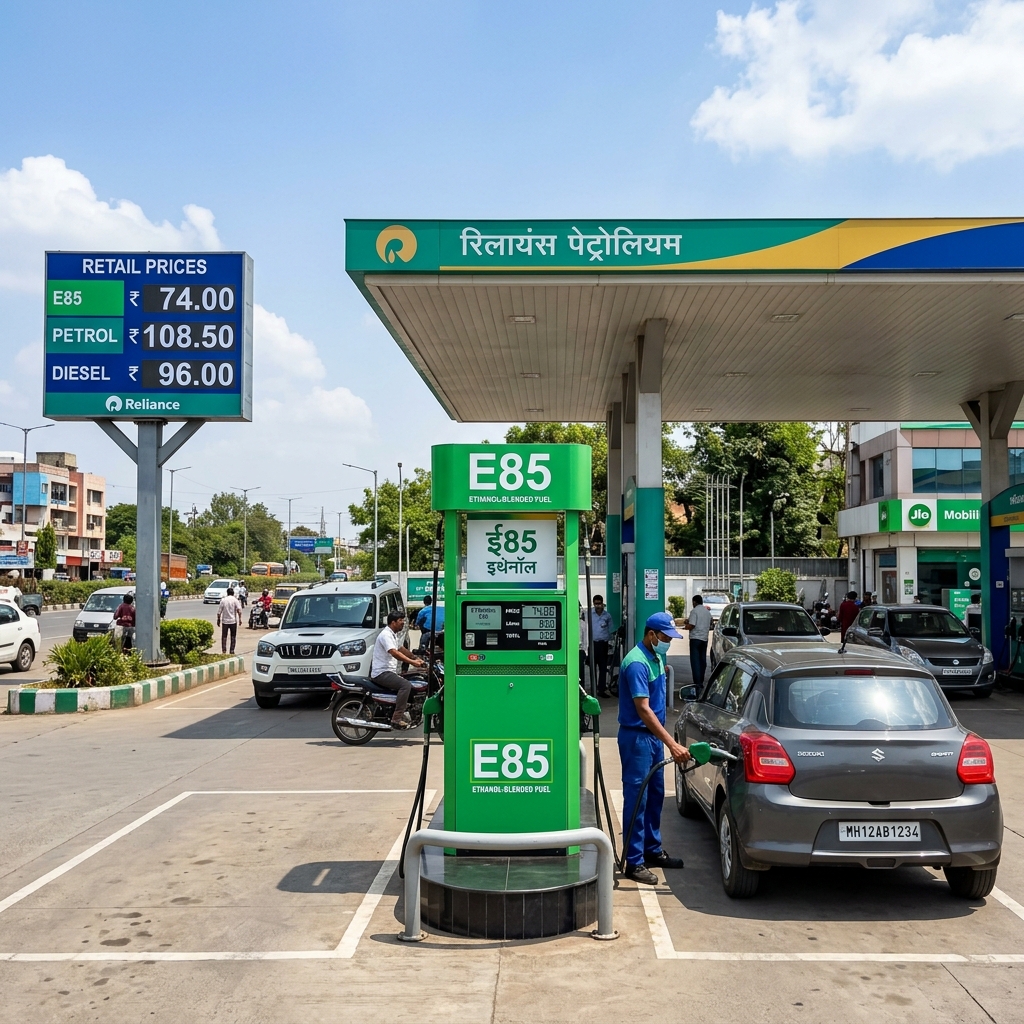
Understanding Flex Fuel Technology and India's Push for Ethanol
Before we explore the benefits, it is crucial to understand what flex-fuel technology entails and why India is heavily investing in it. A Flex Fuel Vehicle is equipped with an internal combustion engine that can operate on gasoline (petrol) or any blend of gasoline and ethanol. Typically, these vehicles can run on mixtures ranging from pure petrol (E0) up to 85% ethanol (E85) or even 100% ethanol (E100) in some advanced models. The engine control module (ECM) and various sensors in an FFV automatically detect the ethanol-to-petrol ratio in the fuel tank and adjust the spark timing and fuel injection accordingly to ensure optimal performance.
India has aggressively pursued its Ethanol Blended Petrol (EBP) program. The government achieved its target of 10% ethanol blending (E10) ahead of schedule and has fast-tracked the target of 20% ethanol blending (E20) to 2025. This aggressive push is laying the groundwork for a robust flex-fuel ecosystem. Several major automakers in India have already showcased their flex-fuel prototypes and are gearing up for mass production.
Now, let us explore the profound advantages of making the switch to a flex-fuel car.
---
1. Significant Cost Savings on Fuel and Running Costs
One of the most immediate and tangible benefits of buying a flex-fuel car in India is the substantial cost savings on fuel. For the average Indian consumer, fuel costs constitute a major portion of the monthly budget. With global crude oil prices subject to extreme volatility, the cost of petrol has frequently crossed the ₹100 per liter mark in various states, putting an immense burden on vehicle owners.
The Price Advantage of Ethanol
Ethanol is produced domestically from agricultural resources, making it inherently cheaper to produce than refining imported crude oil. The government of India fixes the price of ethanol procured by Oil Marketing Companies (OMCs), ensuring a stable and lower price point compared to petrol. When you fill up your car with a high-ethanol blend like E85 (85% ethanol and 15% petrol), the cost per liter is significantly lower.While ethanol has a slightly lower energy density than petrol—meaning you might experience a marginal drop in fuel efficiency (mileage)—the sheer price difference more than makes up for it. The cost per kilometer driven is demonstrably lower for a flex-fuel vehicle running on an ethanol blend compared to a conventional petrol car.
Long-Term Economic Benefits
The economic benefits extend beyond just the daily fuel pump visits. As the ethanol blending infrastructure expands, we can anticipate more competitive pricing. Furthermore, the Indian government has hinted at providing tax incentives and subsidies for flex-fuel vehicles, similar to the benefits offered for Electric Vehicles (EVs) under the FAME policies. This could lead to a lower upfront acquisition cost, making FFVs an incredibly attractive financial proposition.For commercial fleet operators, taxi services, and daily commuters who clock thousands of kilometers every month, the compounding savings on running costs are astronomical. A flex-fuel vehicle effectively shields the consumer from the unpredictable shocks of global oil price surges, offering a predictable, affordable, and sustainable driving experience.
---
2. Massive Reduction in Carbon Footprint and Environmental Impact
The second major benefit of adopting flex-fuel cars is the profound positive impact on the environment. Several Indian cities consistently rank among the most polluted in the world, with vehicular emissions being a primary contributor to deteriorating Air Quality Indices (AQI). The shift towards flex-fuel technology is a critical step in combating this public health crisis.
Cleaner Tailpipe Emissions
Ethanol is an oxygenated fuel. It contains 35% oxygen by weight, which leads to a much cleaner and more complete combustion process inside the engine compared to regular petrol. This complete combustion drastically reduces the emission of harmful pollutants. Studies have shown that running a vehicle on E85 can reduce carbon monoxide (CO) emissions by up to 40% and significant reductions in particulate matter (PM), sulfur dioxide, and unburned hydrocarbons.These pollutants are the primary culprits behind urban smog and respiratory diseases. By switching to flex-fuel cars, millions of Indian drivers can collectively contribute to clearer skies and cleaner air in heavily congested metropolises like Delhi, Mumbai, and Bangalore.
Lowering Greenhouse Gas Emissions
Beyond immediate tailpipe emissions, ethanol plays a crucial role in reducing overall greenhouse gas (GHG) emissions. Ethanol is a renewable biofuel, primarily produced in India from sugarcane molasses, corn, and damaged food grains. The plants used to produce ethanol absorb carbon dioxide (CO2) from the atmosphere during their growth phase through photosynthesis.When ethanol is burned in an engine, it releases this CO2 back into the atmosphere, creating a closed carbon cycle. This is vastly different from burning fossil fuels, which releases millions of years of stored carbon into the modern atmosphere. On a life-cycle basis (from well-to-wheel), using ethanol can reduce greenhouse gas emissions by 40% to 50% compared to fossil-derived petrol. For the environmentally conscious Indian consumer, buying a flex-fuel car is one of the most impactful personal choices to fight climate change.
---
3. Boosting the Agricultural Sector and Empowering Farmers
Perhaps the most unique and socially impactful benefit of flex-fuel cars in India is the direct boost they provide to the agricultural sector. India is fundamentally an agrarian economy, and the prosperity of the nation is deeply tied to the well-being of its farmers. The transition to ethanol-blended fuels aligns perfectly with the government's vision of doubling farmers' income and promoting an "Atmanirbhar Bharat" (Self-Reliant India).
Creating a Massive Demand for Agricultural Produce
The production of ethanol requires large quantities of feedstock. In India, this feedstock primarily comes from the sugar industry. By promoting flex-fuel vehicles, the government is creating a massive, guaranteed, and alternative market for agricultural produce.Historically, sugarcane farmers have often faced financial distress due to excess sugar production leading to price crashes, and delayed payments from sugar mills. The diversion of surplus sugarcane and molasses towards ethanol production stabilizes sugar prices and ensures that sugar mills have the liquidity to pay farmers on time.
Expanding Beyond Sugarcane
Furthermore, the government has expanded the list of permissible feedstocks for ethanol production to include corn (maize), damaged wheat, broken rice, and agricultural residues (biomass) like stubble. This is a game-changer. First, it provides a market for grains that are unfit for human consumption, turning waste into wealth. Second, utilizing agricultural residue (like rice paddy stubble) for 2G (Second Generation) ethanol production addresses the severe issue of crop burning, which causes massive air pollution in North India during the winter months.By purchasing a flex-fuel car, you are not just buying a vehicle; you are actively contributing to a circular economy that directly puts money into the pockets of Indian farmers. You are driving rural development, creating jobs in the biofuel sector, and helping to build a more robust and resilient agricultural supply chain.
---
4. Enhancing India's Energy Security and Reducing Import Dependency
From a macroeconomic perspective, the adoption of flex-fuel cars is a strategic imperative for India's national energy security. India currently imports over 85% of its crude oil requirements, making the economy highly vulnerable to geopolitical tensions, supply chain disruptions, and global price fluctuations.
Saving Valuable Foreign Exchange
The heavy reliance on imported oil results in a massive outflow of foreign exchange reserves. In the fiscal year 2022-23 alone, India's crude oil import bill exceeded a staggering $150 billion. By substituting a significant portion of imported petrol with domestically produced ethanol, India can save billions of dollars in foreign exchange every year.The Ethanol Blended Petrol program has already resulted in substantial savings. As the blending targets increase from 10% to 20%, and eventually to higher blends used in flex-fuel vehicles, these savings will multiply exponentially. These preserved funds can then be redirected towards critical nation-building infrastructure, healthcare, education, and social welfare programs.
True Self-Reliance (Atmanirbhar Bharat)
Energy independence is the cornerstone of national security. Flex-fuel technology allows India to harness its immense agricultural potential to fuel its transportation needs. By transitioning to a fuel source that is grown within its borders, India reduces its strategic vulnerability to external oil cartels and international conflicts.For the patriotic Indian consumer, buying a flex-fuel car is an act of supporting national self-reliance. It ensures that the money spent on fuel stays within the domestic economy, circulating between farmers, distilleries, and local businesses, rather than being sent abroad to foreign oil-producing nations.
---
5. Improved Engine Performance and Long-Term Durability
There is a common misconception that alternative fuels compromise vehicle performance. On the contrary, one of the significant benefits of running a flex-fuel car on high ethanol blends is the potential for enhanced engine performance and longevity.
The Power of High Octane
Ethanol naturally has a much higher octane rating than standard unleaded petrol. While regular petrol in India typically has an octane rating of around 91 RON, pure ethanol boasts an octane rating of over 108 RON. Octane rating is a measure of a fuel's ability to resist "knocking" or "pinging" during combustion.Because ethanol has a higher octane rating, flex-fuel engines can be designed or tuned to operate with a higher compression ratio or more aggressive spark timing without the risk of engine knock. This translates to increased horsepower and improved torque output. Many automotive enthusiasts and racers have long used ethanol blends specifically to extract maximum performance from their engines. When driving a flex-fuel car on E85, you may notice sharper acceleration and a more responsive throttle compared to driving the same car on regular petrol.
Cooler Engine Operations and Cleaning Properties
Ethanol possesses a higher latent heat of vaporization than petrol. This means that as ethanol changes from a liquid to a gas inside the intake manifold and cylinder, it absorbs a significant amount of heat. This cooling effect lowers the intake air temperature and the overall combustion chamber temperature. A cooler-running engine is less prone to thermal stress, which can enhance the longevity and durability of engine components over time.Additionally, ethanol acts as an excellent natural solvent. It helps to clean the fuel system, preventing the buildup of carbon deposits on fuel injectors, intake valves, and combustion chambers. A cleaner engine runs more efficiently, maintains its performance over a longer period, and reduces the need for frequent, expensive maintenance and decarbonization services.
---
The Road Ahead: Infrastructure, Policy, and the Future of Mobility
While the benefits of buying a flex-fuel car in India are overwhelming, it is also important to acknowledge the road ahead. The successful adoption of this technology hinges on the widespread availability of dispensing infrastructure. The Government of India, in collaboration with OMCs like Indian Oil, Bharat Petroleum, and Hindustan Petroleum, is rapidly upgrading fuel stations to dispense E20 and eventually E85 fuels.
Why Choose Flex Fuel over Pure EVs?
While Electric Vehicles (EVs) are a crucial part of the green mobility puzzle, flex-fuel cars offer a pragmatic parallel solution, especially for a vast and geographically diverse country like India. EVs currently face challenges related to high battery costs, long charging times, and a nascent charging infrastructure. Flex-fuel cars, on the other hand, eliminate "range anxiety." They utilize the existing and familiar paradigm of internal combustion engines and liquid fuel refueling, which takes mere minutes. If an E85 pump is not available, a flex-fuel car can simply be filled with regular E10 or E20 petrol, ensuring absolute peace of mind for the driver.This versatility makes flex-fuel vehicles an ideal bridging technology. They provide immediate environmental and economic benefits without requiring a massive overnight overhaul of consumer behavior or national infrastructure.
Conclusion
The impending launch of flex-fuel cars in India marks a watershed moment in the country's automotive history. The top 5 benefits—significant cost savings, drastic reduction in environmental pollution, economic empowerment of the farming community, enhanced national energy security, and improved engine performance—present an incredibly compelling case for the Indian consumer.
Choosing a flex-fuel vehicle is not merely a purchase; it is an investment in a cleaner, more self-reliant, and economically vibrant India. As automakers roll out their flex-fuel models and the government accelerates the ethanol blending infrastructure, early adopters of this technology will not only save money at the pump but will also drive the nation towards a sustainable and prosperous future. The era of flex-fuel mobility is arriving in India, and it promises to be a remarkably rewarding journey for all.
--- Disclaimer: Fuel prices, blending targets, and government policies are subject to change. Always refer to official government notifications and manufacturer guidelines regarding flex-fuel vehicle usage.